
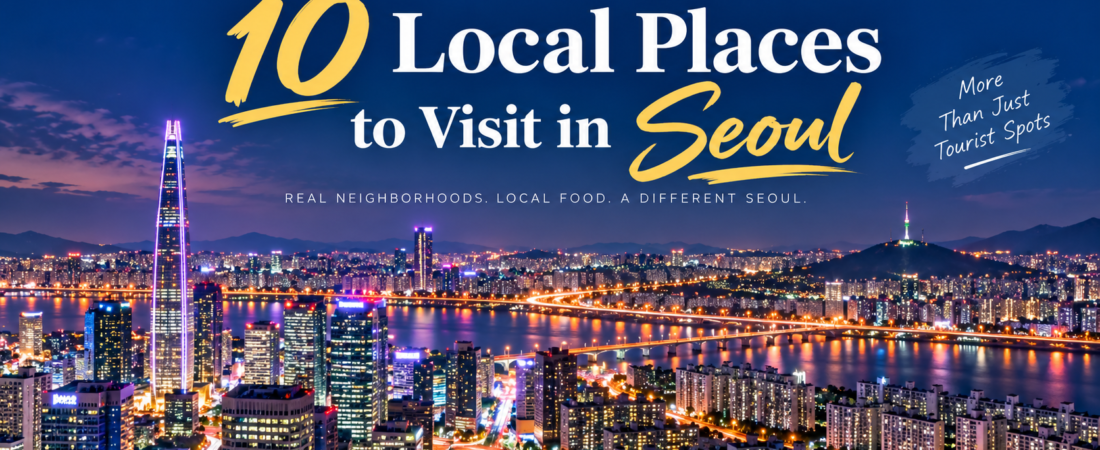
Seoul is much more than palaces, shopping streets, and famous landmarks. Step away from the busiest tourist areas and you’ll find traditional markets, hillside neighborhoods, old alleyways, riverside parks, and local hangouts that reveal a completely different side of the city.
This guide introduces 10 local places in Seoul that are worth exploring beyond the usual tourist route. Some are already popular with young Koreans, while others remain everyday neighborhoods where you can experience a different side of local life in Seoul.
Rather than simply checking attractions off a list, these places are best enjoyed slowly—walking through the streets, stopping for local food or coffee, and experiencing the neighborhoods the way locals do.
10 Local Places to Visit in Seoul
1. Mangwon-dong, Mangwon Market & Hangang Park
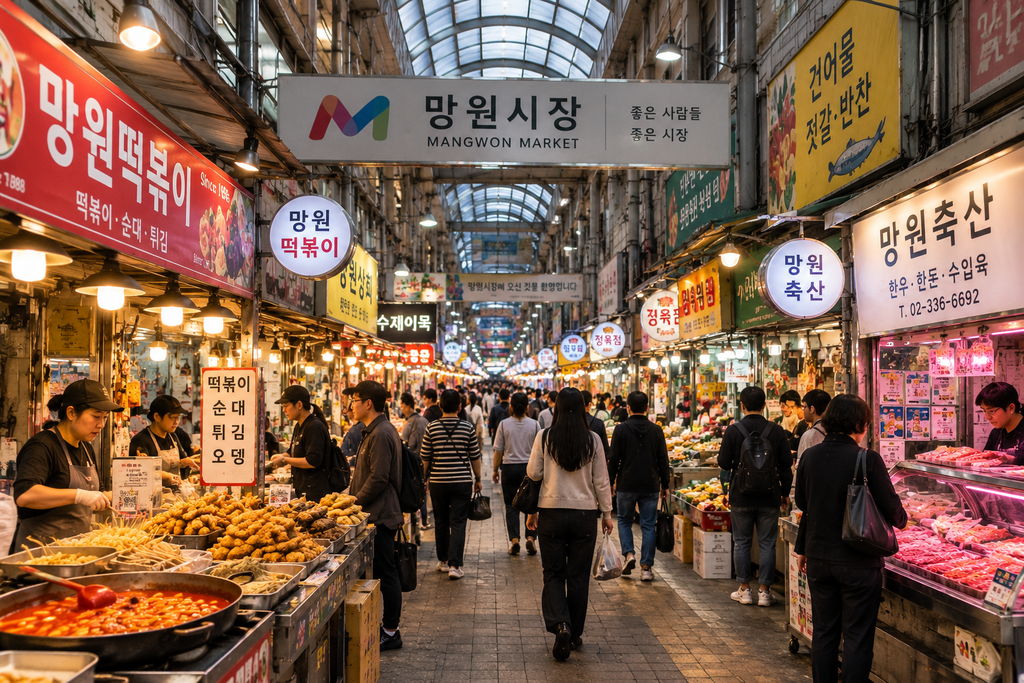
Mangwon-dong is one of the best neighborhoods in Seoul for travelers who want to experience a more local side of the city. Unlike the major tourist districts, the area combines a traditional neighborhood market, independent cafés, small restaurants, residential streets, and easy access to the Han River.
Start at Mangwon Market, a lively traditional market where local residents shop for groceries, side dishes, and everyday food. It is also a great place to try affordable Korean street food and market snacks without the atmosphere feeling entirely designed for tourists.
After exploring the market, walk through the surrounding streets of Mangwon-dong. You’ll find small cafés, bakeries, restaurants, and independent shops mixed naturally into the neighborhood. From there, continue toward Mangwon Hangang Park, where locals come to walk, cycle, picnic, and relax by the river.
Local Tip: Pick up a few snacks at Mangwon Market and take them to Mangwon Hangang Park in the late afternoon. Eating by the river as the sun goes down is a simple but very Seoul way to spend an evening.
2. Seochon: Old Seoul Alleys Behind Gyeongbokgung
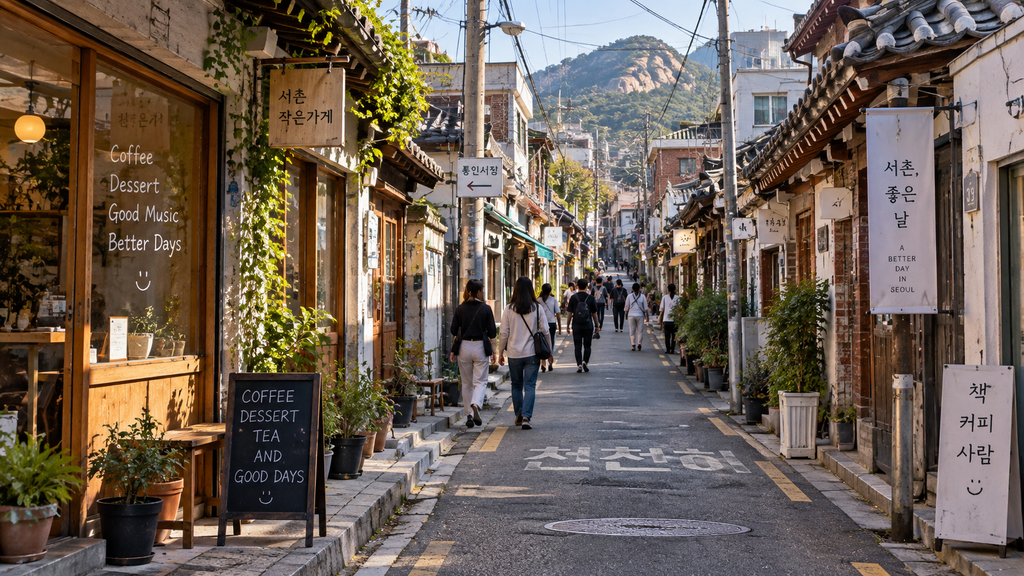
Just west of Gyeongbokgung Palace, Seochon offers a quieter and more lived-in atmosphere than many of central Seoul’s famous tourist areas. The neighborhood is filled with narrow alleys, traditional hanok houses, small restaurants, independent shops, galleries, and cafés tucked between ordinary homes.
Rather than visiting Seochon for one specific attraction, the best way to experience the neighborhood is simply to walk. Explore the side streets around Tongin Market, wander toward the foothills of Inwangsan, and stop whenever you find a small shop or café that catches your attention.
Tongin Market is worth visiting along the way, but don’t make the market your only destination. Some of Seochon’s most interesting moments are found in the residential alleys surrounding it, where old Seoul architecture sits beside newer cafés and creative spaces.
Local Tip: Visit Gyeongbokgung Palace in the morning, then leave through the western side of the area and spend the afternoon exploring Seochon. Instead of rushing straight to another major attraction, grab lunch around Tongin Market and wander the backstreets toward Inwangsan.
3. Seosulla-gil: A Quiet Stone-Wall Street Beside Jongmyo
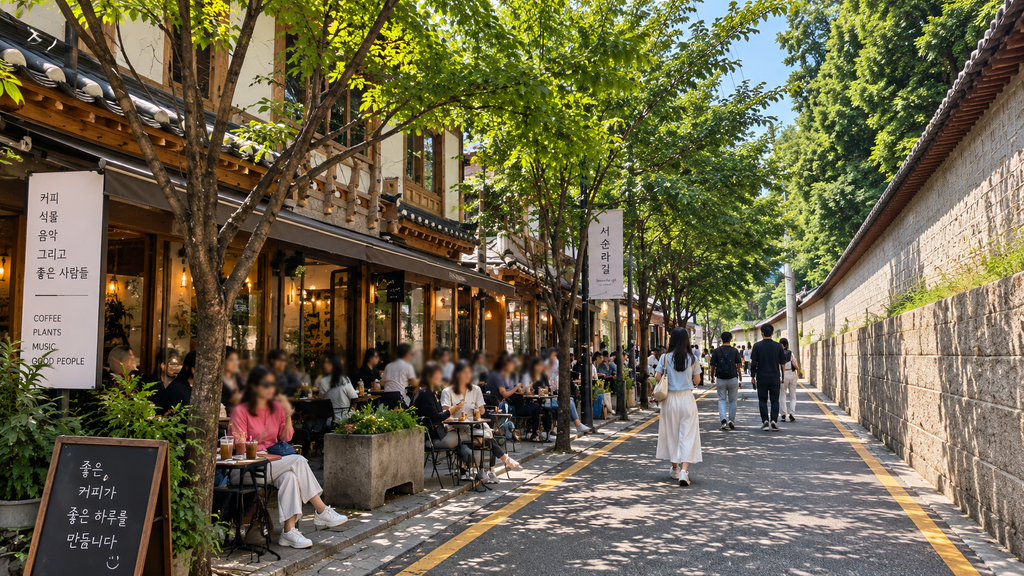
Seosulla-gil runs along the western stone wall of Jongmyo Shrine and offers a surprisingly peaceful escape in the middle of central Seoul. The street combines an old stone wall and traditional architecture with small cafés, restaurants, craft shops, and jewelry workshops.
What makes Seosulla-gil interesting is its location. It sits close to some of Seoul’s busiest sightseeing areas, including Insadong, Ikseon-dong, and Jongno, yet the atmosphere can feel much calmer than the surrounding tourist streets.
Take your time walking beside the Jongmyo stone wall, explore the small shops along the street, and stop for coffee or a meal. It works especially well as part of a walking route through central Seoul rather than as a destination that requires an entire day.
Local Tip: Combine Seosulla-gil with Ikseon-dong or Jongmyo instead of making a separate trip across Seoul. Late afternoon is a nice time to walk the street, then continue into Jongno for dinner.
4. Gyeongdong Market: A Glimpse of Everyday Korean Market Life
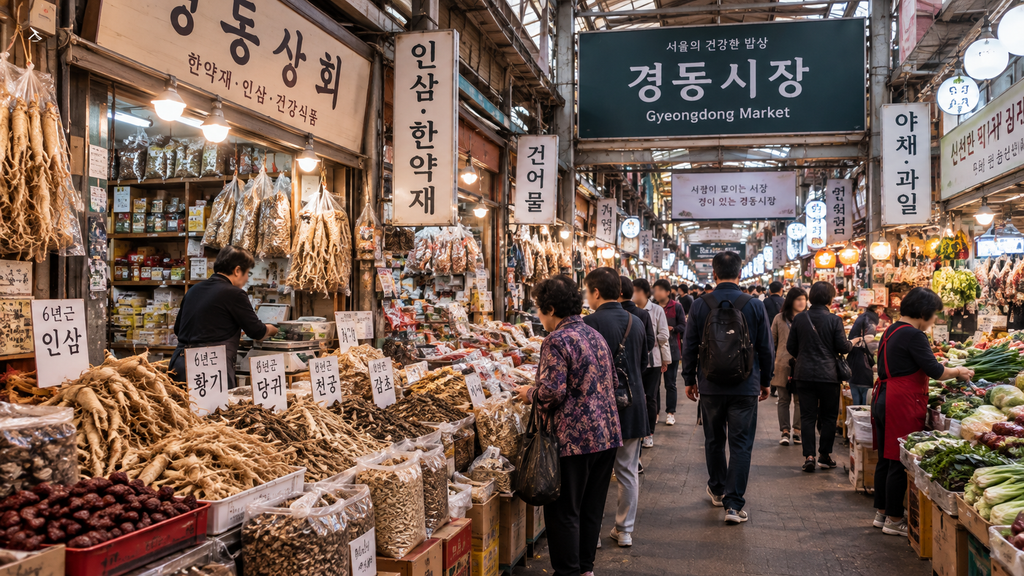
Gyeongdong Market offers a very different experience from Seoul’s more tourist-oriented markets. Located in the Jegi-dong area, this sprawling traditional market is packed with fresh produce, dried seafood, spices, medicinal herbs, ginseng, and ingredients that many Korean households actually shop for.
One of the most interesting parts of visiting Gyeongdong Market is simply walking through its busy alleys. Vendors arrange huge displays of dried ingredients, fruits, vegetables, roots, and herbs, while local shoppers move between stores that have served the neighborhood for decades.
The surrounding area is also closely connected to Seoul Yangnyeongsi, one of Korea’s best-known traditional medicine districts. Even if you are not planning to buy anything, walking through the herbal medicine shops gives you a glimpse of a side of Korean culture that most first-time visitors never see.
Local Tip: Come before late afternoon when the market is at its liveliest. Don’t rush straight to the trendy cafés nearby—walk through the traditional market and Seoul Yangnyeongsi first. The contrast between old market Seoul and the newer spaces around it is what makes this neighborhood interesting.
5. Euljiro: Old-School Alleys, Beer & Hidden Hangouts
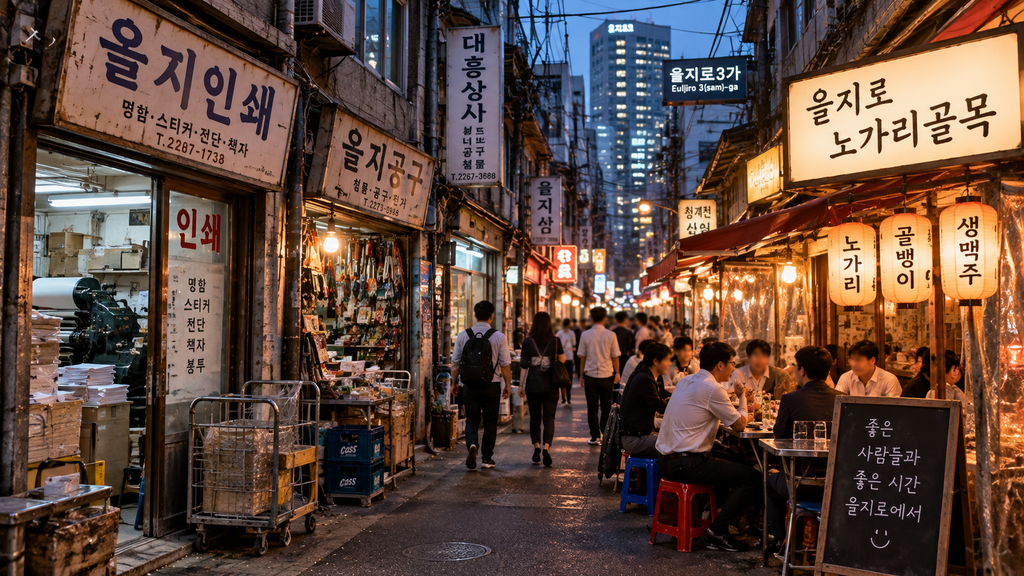
Euljiro is one of Seoul’s most interesting examples of old and new existing side by side. For decades, the neighborhood has been filled with printing shops, hardware stores, workshops, and small businesses. Today, many of those old streets also hide bars, cafés, and restaurants behind surprisingly ordinary-looking entrances.
Start by exploring the backstreets around Euljiro 3-ga. During the day, the area still feels like a working neighborhood, with delivery carts, faded signs, machinery shops, and narrow alleys. As evening approaches, a completely different atmosphere begins to appear as restaurants and bars fill with office workers and younger Seoulites.
Euljiro Nogari Alley is one of the area’s best-known drinking spots, traditionally associated with cold beer and nogari, or dried young pollock. The alley itself is no longer a secret, so the real fun is continuing beyond it and exploring the smaller streets around Euljiro.
Local Tip: Visit around late afternoon so you can see both sides of Euljiro. Walk through the old commercial alleys before dinner, then settle into a small Korean pub or restaurant as the neighborhood comes alive after work.
6. Haebangchon: Hillside Streets with a Local Seoul Vibe
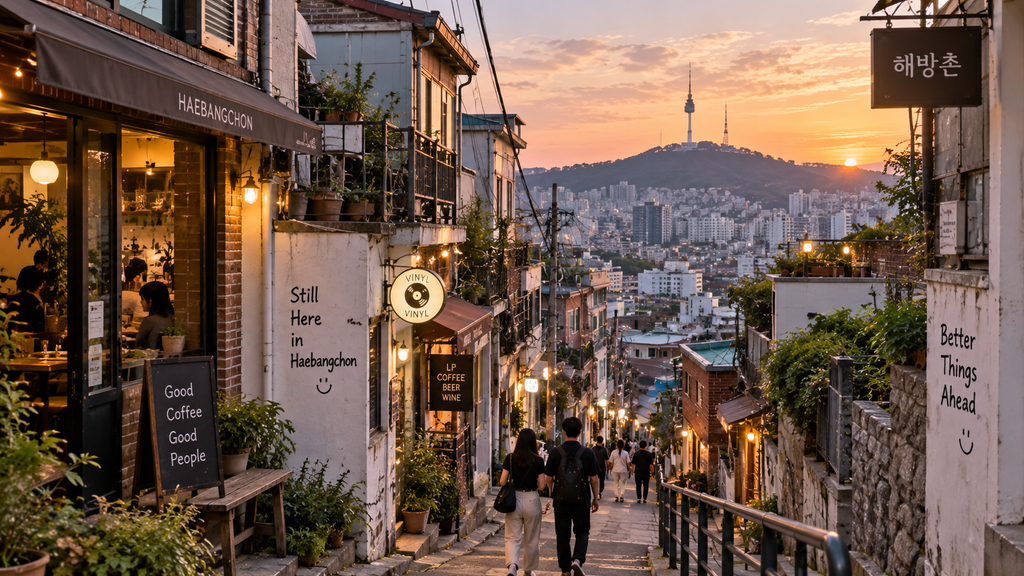
Tucked into the hillside below Namsan, Haebangchon is one of Seoul’s most distinctive neighborhoods. Steep streets, older homes, small restaurants, cafés, bars, and independent businesses are packed together on the slopes, giving the area a character that feels very different from Seoul’s polished shopping districts.
The best way to explore Haebangchon is on foot, although you should be prepared for some serious hills. Wander away from the main road and you’ll find narrow residential streets, small local businesses, and unexpected views between the buildings as you climb higher into the neighborhood.
Haebangchon has changed considerably over the years, with more cafés, restaurants, and bars opening throughout the area. But traces of the older hillside neighborhood remain, and that mixture is exactly what makes it interesting to explore.
Local Tip: Visit in the late afternoon and slowly make your way uphill. Stop for food or coffee along the way, then stay until sunset when the higher streets around Haebangchon offer some of the neighborhood’s best views over Seoul.
7. Huam-dong: A Quiet Neighborhood Beneath Namsan
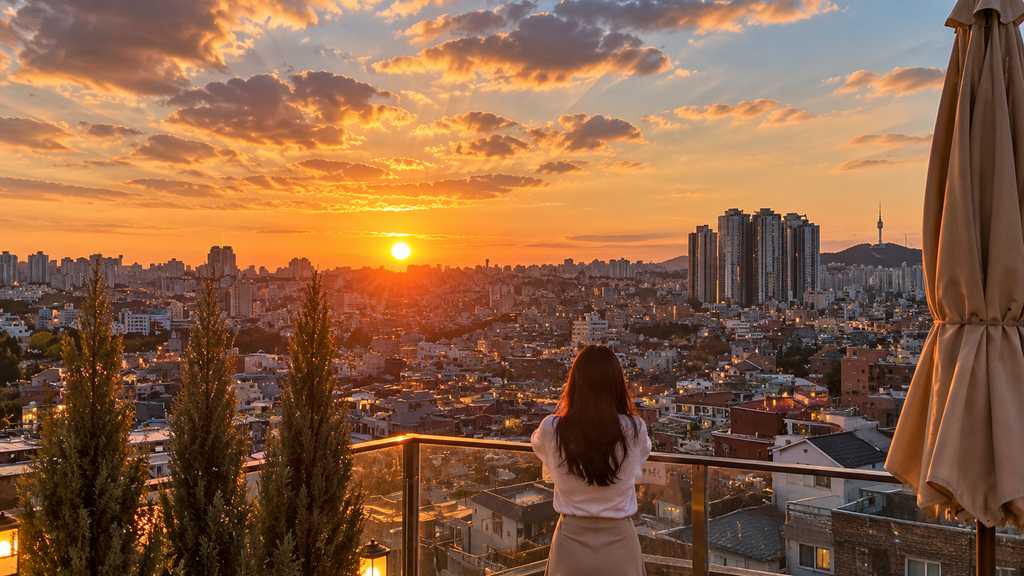
Sitting on the southern slopes of Namsan, Huam-dong is a quiet residential neighborhood that offers a slower side of central Seoul. Its narrow uphill streets are lined with older houses, small neighborhood stores, cafés, and restaurants, with glimpses of the city appearing between buildings as you walk.
Unlike nearby Itaewon or Haebangchon, Huam-dong is not a neighborhood packed with major attractions. That is part of its appeal. Walking here feels more like exploring an ordinary Seoul neighborhood than following a sightseeing route.
Take your time wandering through the side streets and climbing toward Namsan. You’ll find a mix of older architecture and newer independent businesses, while the hills create unexpected viewpoints over the surrounding city.
Local Tip: Huam-dong works best when you don’t plan every stop. Grab a coffee from a small neighborhood café and wander uphill toward Namsan, especially in the late afternoon when the streets are quieter and the city begins to light up.
8. Yeonnam-dong: Go Beyond the Main Park
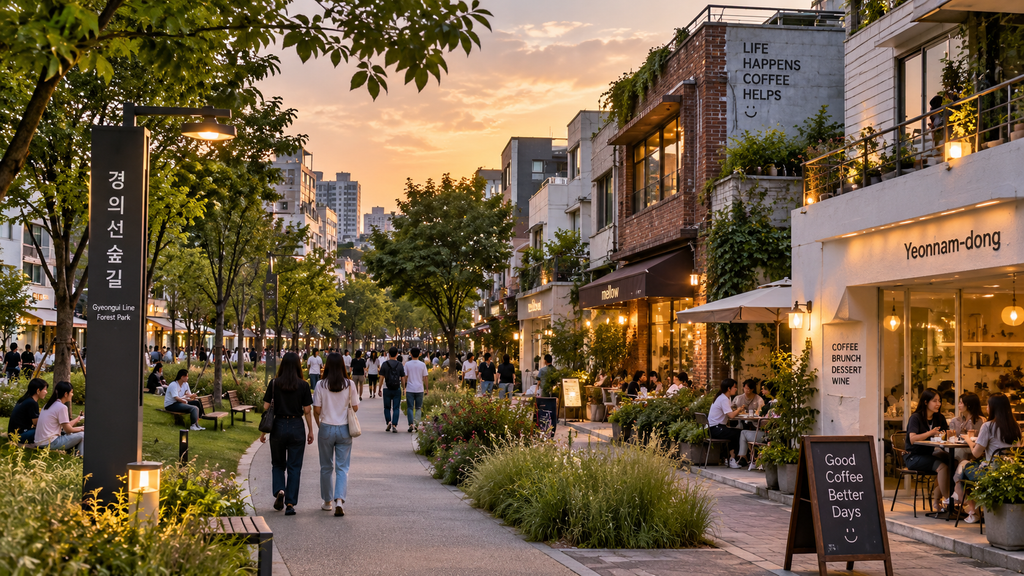
Yeonnam-dong is often associated with the Gyeongui Line Forest Park, a long green walkway stretching from the Hongdae area into the neighborhood. On sunny evenings and weekends, locals gather along the park to walk, relax, meet friends, and enjoy food or coffee from nearby shops.
But the most interesting part of Yeonnam-dong begins when you leave the main park. Wander into the residential side streets and you’ll find small cafés, bakeries, independent restaurants, bookstores, and shops tucked into converted houses and low-rise buildings.
The neighborhood is especially popular with younger Seoulites, but it still feels more relaxed once you move away from the busiest streets near Hongdae Station. Instead of searching for one famous café, spend some time exploring and choose a place that catches your eye.
Local Tip: Walk along Gyeongui Line Forest Park first, then turn into the smaller streets farther north in Yeonnam-dong. The deeper you walk away from Hongdae Station, the easier it is to find quieter cafés and neighborhood restaurants.
9. Seongsu-dong: Explore Beyond the Famous Pop-Ups
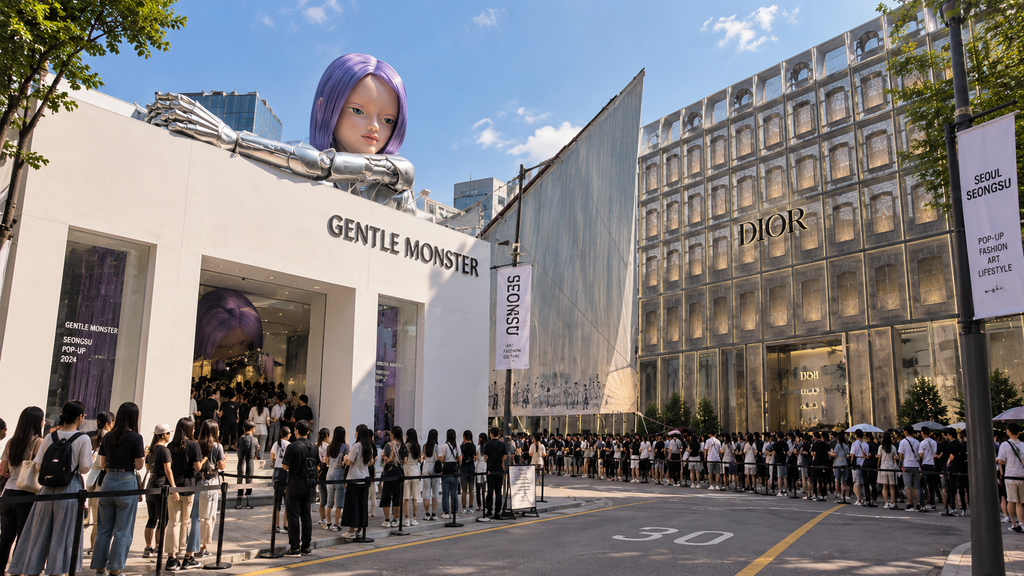
Seongsu-dong has become one of Seoul’s trendiest neighborhoods, known for cafés, fashion stores, pop-ups, and converted industrial buildings. It is no longer a hidden part of the city, but there is still much more to the neighborhood than the busiest streets seen on social media.
Walk away from the main shopping areas and explore the smaller streets around Seongsu. Old warehouses, workshops, factories, and red-brick buildings still sit beside modern cafés, restaurants, studios, and independent shops, showing how dramatically the neighborhood has changed.
Instead of building your visit around one famous café or pop-up, give yourself time to wander. Some of the most interesting streets are the ones where working businesses and older industrial buildings still exist alongside Seoul’s newer creative spaces.
Local Tip: Visit on a weekday if possible and explore beyond the busiest blocks near Seongsu Station. Check out the popular stores if something interests you, but leave time to wander the quieter backstreets where the neighborhood’s industrial character is easier to see.
10. Bukhansan: Hike Like a Seoul Local
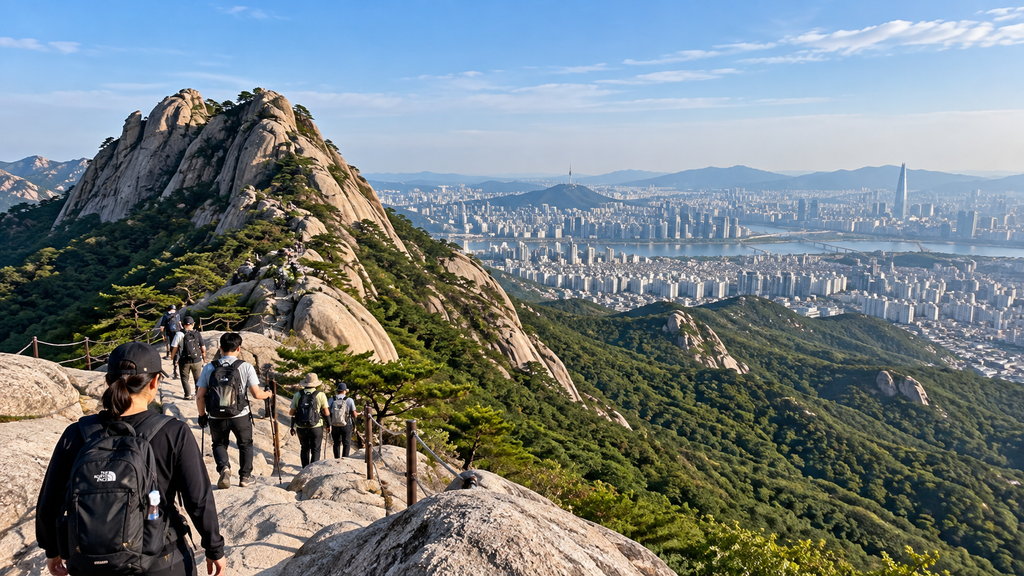
Seoul may be one of the world’s largest cities, but mountains are never far away. Bukhansan National Park is one of the best places to see how naturally hiking fits into everyday life in Korea, with Seoul residents heading to the mountains throughout the week and especially on weekends.
There are trails for different experience levels, so you do not need to be an expert hiker to enjoy the area. Depending on the route, you can walk through forested valleys, pass temples and historic fortress walls, or climb higher for panoramic views over Seoul and the surrounding mountains.
But the hike is only part of the experience. Around popular trail entrances, you’ll often find restaurants serving the kind of food Koreans love after hiking, including pajeon (savory pancakes), dubu dishes, and makgeolli (Korean rice wine).
Local Tip: Start your hike in the morning and leave time for a meal near the trail entrance afterward. Sitting down for pajeon and makgeolli after a mountain hike is almost as much a part of the Korean hiking experience as reaching the viewpoint itself.
How to Explore Local Seoul
Exploring Seoul beyond the major tourist attractions is less about following a strict itinerary and more about choosing one or two neighborhoods and taking your time.
Many of the places in this guide are best explored on foot, so comfortable shoes are essential. Seoul’s subway and bus network makes it easy to reach different neighborhoods, but some areas such as Haebangchon, Huam-dong, and Bukhansan involve hills or longer walks.
Try visiting traditional markets during the daytime, residential neighborhoods in the afternoon, and areas like Euljiro in the early evening when the atmosphere begins to change.
Most importantly, leave some room in your schedule to wander. Some of the best experiences in Seoul happen when you turn down a side street, find a small restaurant with no plan, or simply sit somewhere and watch everyday city life.
Final Thoughts
Seoul’s famous palaces, shopping districts, and landmarks are worth seeing, especially on your first visit. But they only show one side of the city.
Neighborhoods like Mangwon-dong, Seochon, Euljiro, Haebangchon, and Huam-dong reveal a different Seoul—one shaped by traditional markets, residential alleys, small businesses, local restaurants, and the everyday routines of the people who live here.
You don’t need to visit all 10 places in one trip. Choose a few that match your interests, slow down, and give yourself time to explore without a strict schedule. That is often when Seoul becomes the most memorable.
Planning your first trip to the city? Check out our complete Seoul Travel Guide 2026 for the best attractions, food, transportation tips, and a 3-day Seoul itinerary.