
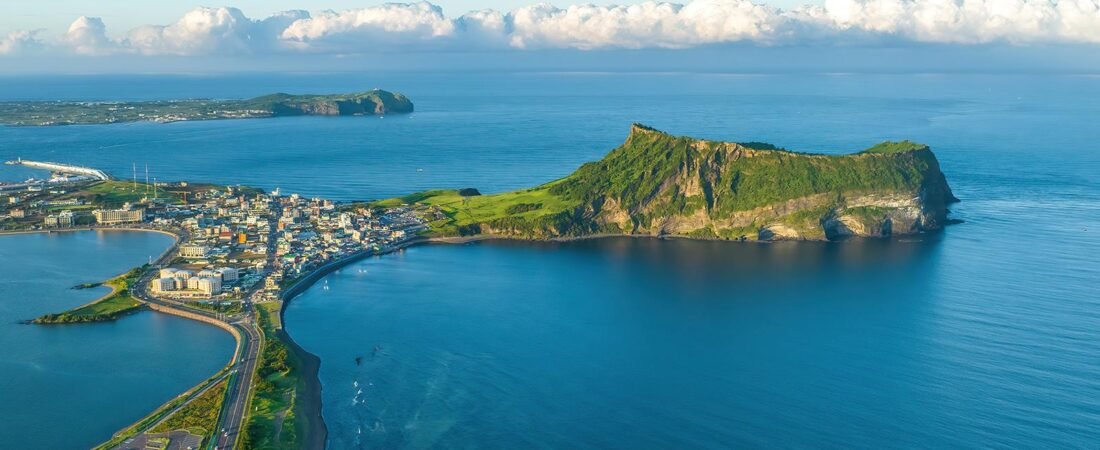
Jeju Island is one of South Korea’s most popular travel destinations, but planning a first trip can be more complicated than it looks. The island is much larger than many visitors expect, and attractions such as Seongsan Ilchulbong, Hallasan, Seogwipo, and the western beaches are spread across different parts of Jeju.
The easiest way to explore Jeju is to organize each day by area instead of choosing attractions one by one. Eastern Jeju works well for Seongsan Ilchulbong and coastal scenery, the south can be combined with Seogwipo and nearby attractions, while western Jeju is better planned as a separate route. This becomes especially important if you are relying on buses rather than renting a car.
This guide covers Jeju’s major attractions, local food, transportation, seasonal travel advice, and a practical three-day itinerary designed to help first-time visitors spend less time moving across the island and more time actually exploring it.
Best Things to Do in Jeju
Seongsan Ilchulbong (Sunrise Peak)
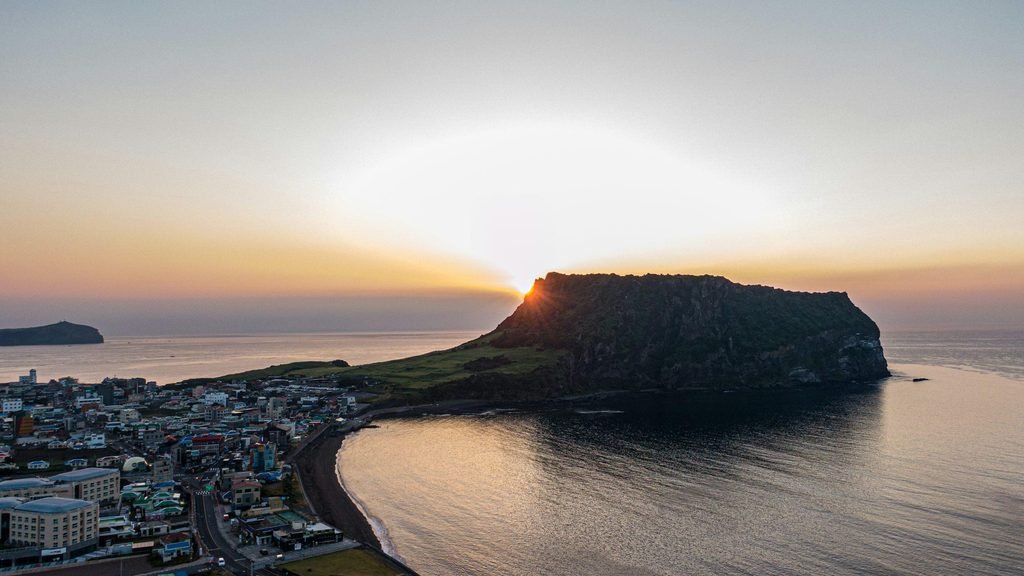
Seongsan Ilchulbong, also known as Sunrise Peak, is one of Jeju Island’s most iconic natural landmarks. The volcanic crater rises above the eastern coastline and offers wide views of the ocean and surrounding countryside from the upper viewpoint.
The walk to the viewpoint is relatively short but includes plenty of stairs, so allow enough time to climb at a comfortable pace. Seongsan also fits naturally into a day exploring eastern Jeju rather than being treated as a separate trip across the island.
Timing Tip: Visit earlier in the day if you want cooler conditions and more time to explore other parts of eastern Jeju afterward.
Jeongbang Waterfall
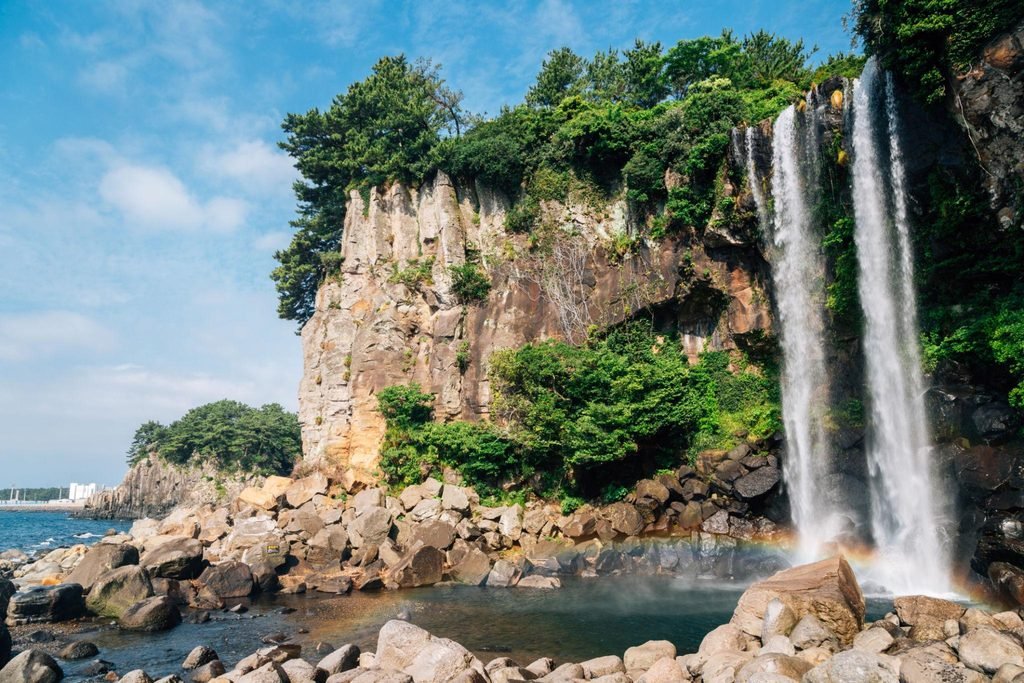
Jeongbang Waterfall is one of Jeju’s best-known waterfalls and a convenient attraction to include while exploring Seogwipo. Surrounded by dark volcanic rocks and coastal scenery, it offers a noticeably different experience from the island’s beaches and mountain landscapes.
The rocks around the waterfall can be wet and slippery, so comfortable shoes with good grip are useful. Rather than crossing the island specifically for the waterfall, combine it with other stops around Seogwipo.
Safety Tip: Take extra care on the rocks near the water, especially when the surface is wet.
Hyeopjae Beach
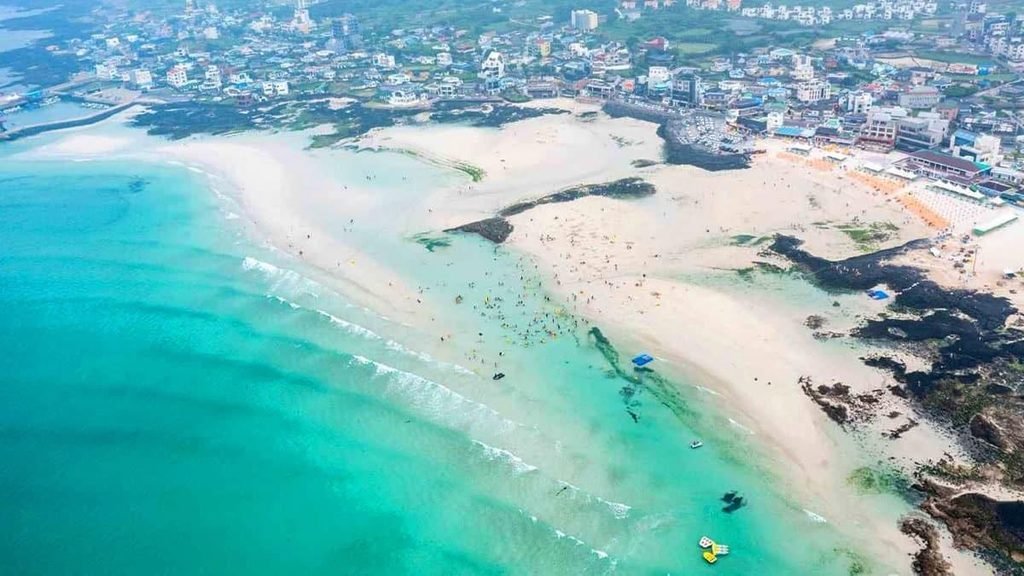
Hyeopjae Beach is one of Jeju Island’s most scenic western beaches, known for its clear water, light-colored sand, and views toward Biyangdo Island. The surrounding area also has cafés and restaurants, making it easy to spend more than a quick photo stop here.
Hyeopjae fits particularly well into a western Jeju day. Spend some time along the beach, explore nearby coastal stops, and consider staying in the area into the late afternoon rather than immediately driving to another side of the island.
Sunset Tip: If the weather is clear, western Jeju is a natural place to finish your sightseeing day and stay for the sunset.
Hallasan National Park
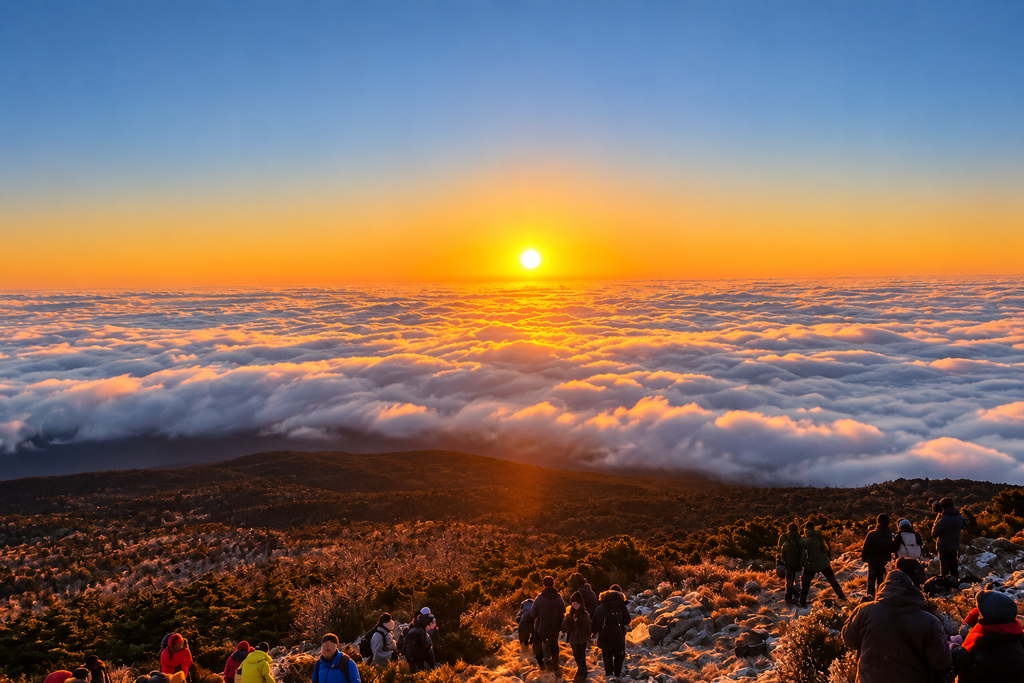
Hallasan National Park is home to Hallasan, South Korea’s highest mountain and one of Jeju Island’s most impressive natural landmarks. The park offers hiking routes through forests and volcanic landscapes, with different options depending on how much time and hiking you want to include in your trip.
If you are planning one of the longer routes toward the summit, treat Hallasan as a major part of your day rather than trying to squeeze it between several other attractions. Check the weather, trail conditions, and current reservation or access requirements before setting out.
Hiking Tip: Start early for longer hikes and avoid building a tightly scheduled sightseeing day around Hallasan. Weather and hiking time can affect the rest of your plans.
Jeju Olle Trails
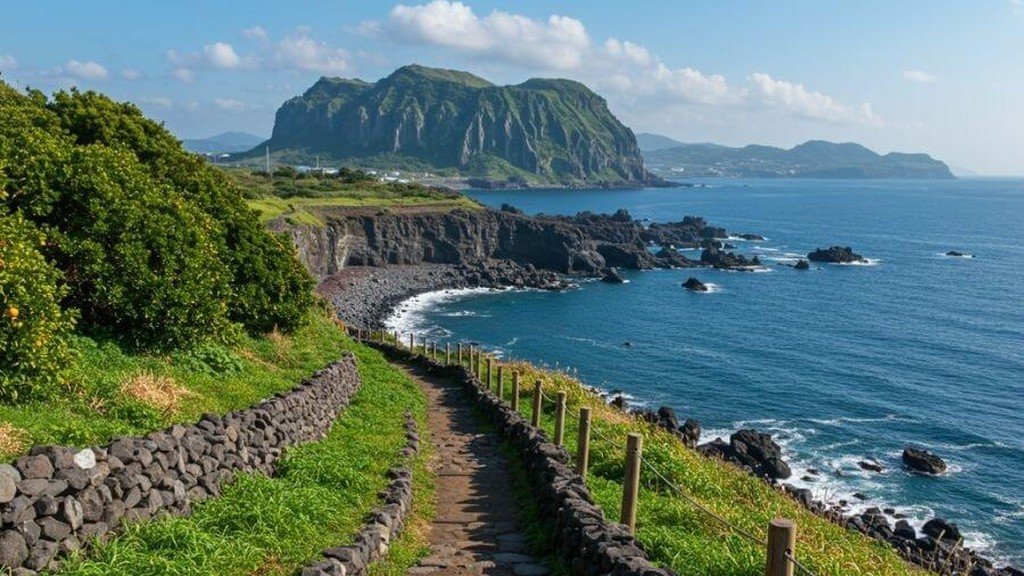
The Jeju Olle Trails are a network of walking routes through coastal scenery, villages, countryside, and other quieter parts of the island. They are a good option for travelers who want to experience Jeju at a slower pace instead of moving between major attractions all day.
You do not need to complete an entire route. Choose a section that fits naturally near your accommodation or another stop on your itinerary, and allow enough time to enjoy the walk without turning it into another rushed attraction.
Walking Tip: Pick an Olle Trail section based on where you will already be that day. This can give you the experience of walking the trail without adding unnecessary travel across Jeju.
Best Food to Try in Jeju
Jeju’s food culture is shaped by the island’s seafood, local ingredients, and distinctive regional dishes. Black pork and fresh seafood are the best-known choices, but dishes such as gogi-guksu and abalone porridge are also worth adding to your trip.
Food Planning Tip: Instead of crossing the island for every famous restaurant, choose meals around the area you are already exploring. This saves travel time and gives you more opportunities to try smaller local restaurants along the way.
Jeju Black Pork
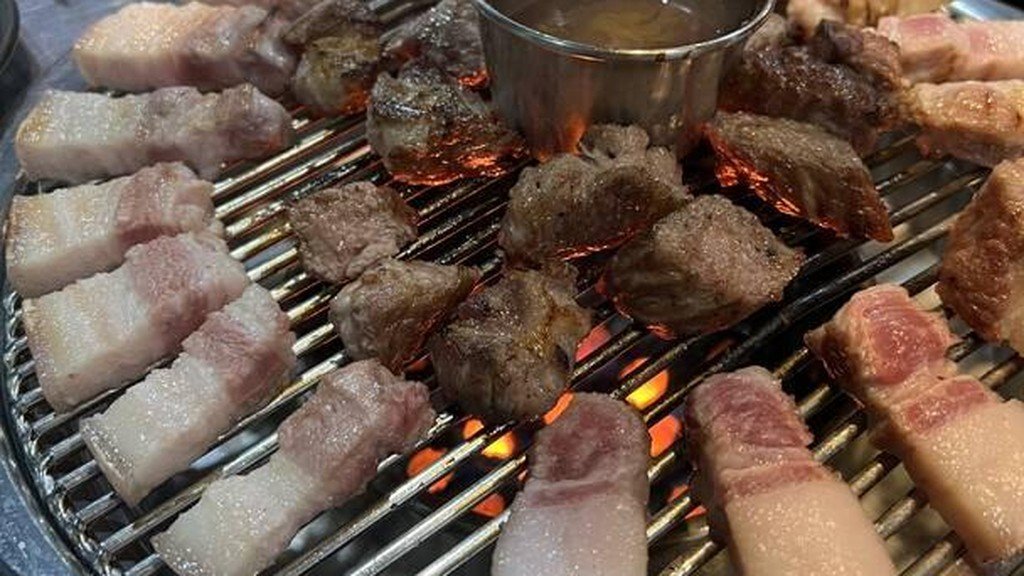
Jeju black pork is one of the island’s signature foods and a must-try for meat lovers. Thick slices of pork are usually grilled at the table and served with fresh vegetables, garlic, dipping sauces, and a variety of Korean side dishes.
Black pork restaurants can be found throughout the island, especially in Jeju City and Seogwipo. For a classic experience, order grilled black pork and enjoy it Korean BBQ-style with lettuce wraps and ssamjang.
Dining Tip: Black pork is easy to find in both Jeju City and Seogwipo, so there is usually no need to plan a long detour just for one famous restaurant.
Grilled Hairtail (Galchi)
Hairtail, known as galchi in Korean, is one of Jeju’s most popular seafood dishes. It is commonly served grilled until golden or braised in a flavorful spicy sauce with vegetables.
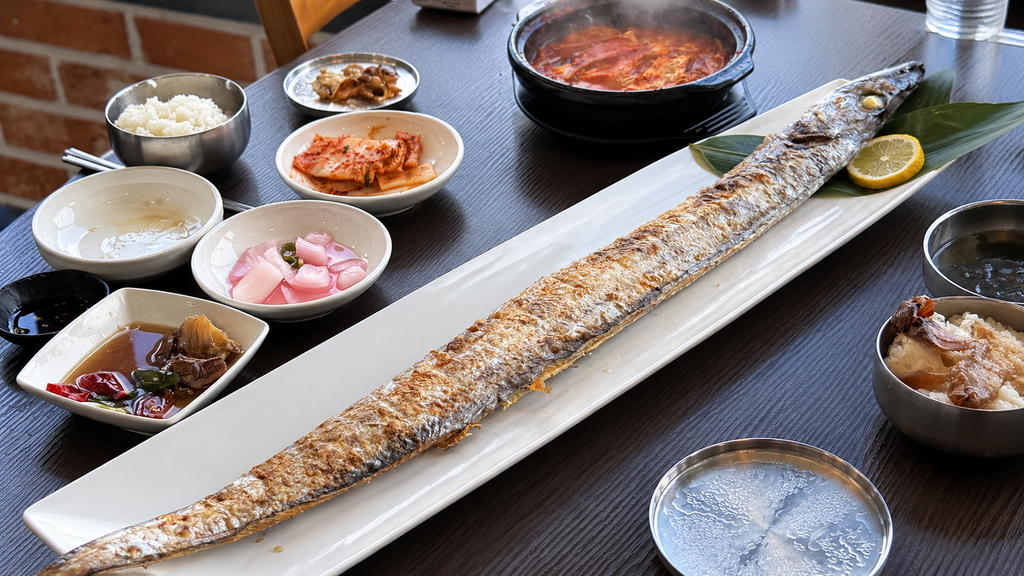
Many restaurants around Jeju specialize in galchi dishes, particularly in coastal areas. Grilled hairtail is a great choice if you want to enjoy the natural flavor of the fish, while braised galchi is ideal for travelers who enjoy richer and spicier Korean food.
Abalone (Jeonbok)
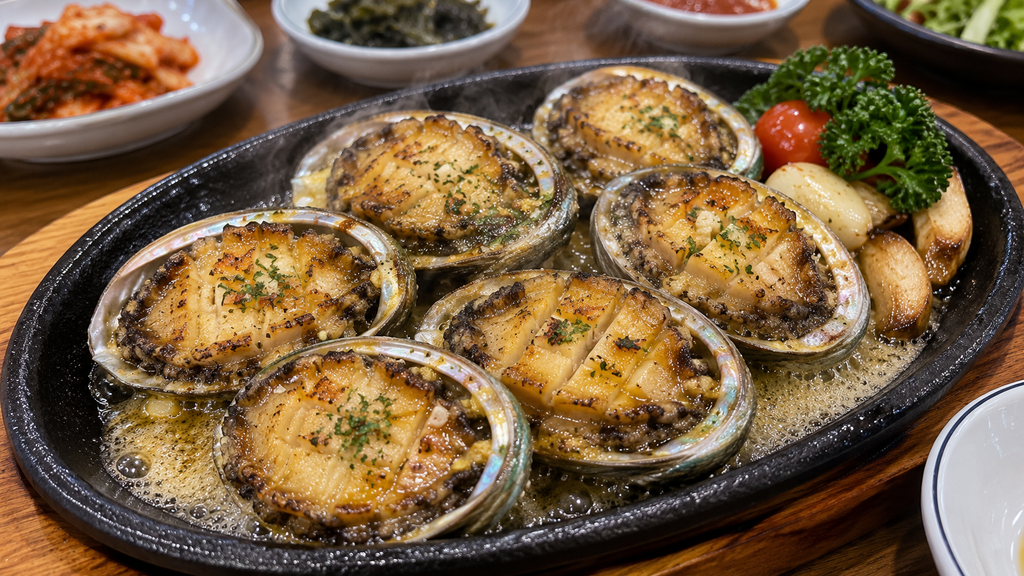
Jeju is famous for fresh abalone, known as jeonbok in Korean. It has traditionally been harvested from the waters around the island and remains one of Jeju’s best-known seafood specialties.
Abalone can be enjoyed grilled, raw, or in a variety of seafood dishes. One of the most approachable options is jeonbokjuk, a warm and comforting abalone porridge that is especially popular for breakfast.
Haenyeo Seafood and Culture
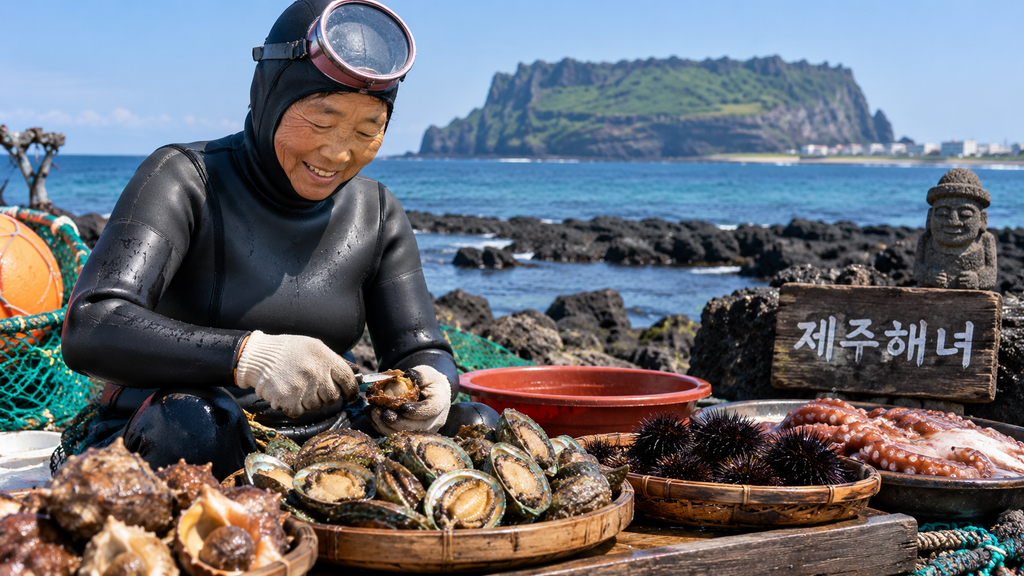
Jeju’s haenyeo, or female divers, are an important part of the island’s cultural identity. For generations, these women have harvested seafood such as abalone, sea urchins, and shellfish by diving without oxygen tanks.
Around the island, especially in coastal villages, you can find seafood restaurants and small eateries serving fresh catches associated with this unique tradition. Trying fresh seafood while learning about the haenyeo is one of the best ways to experience Jeju beyond its famous tourist attractions.
Gogi-Guksu (Jeju Pork Noodles)
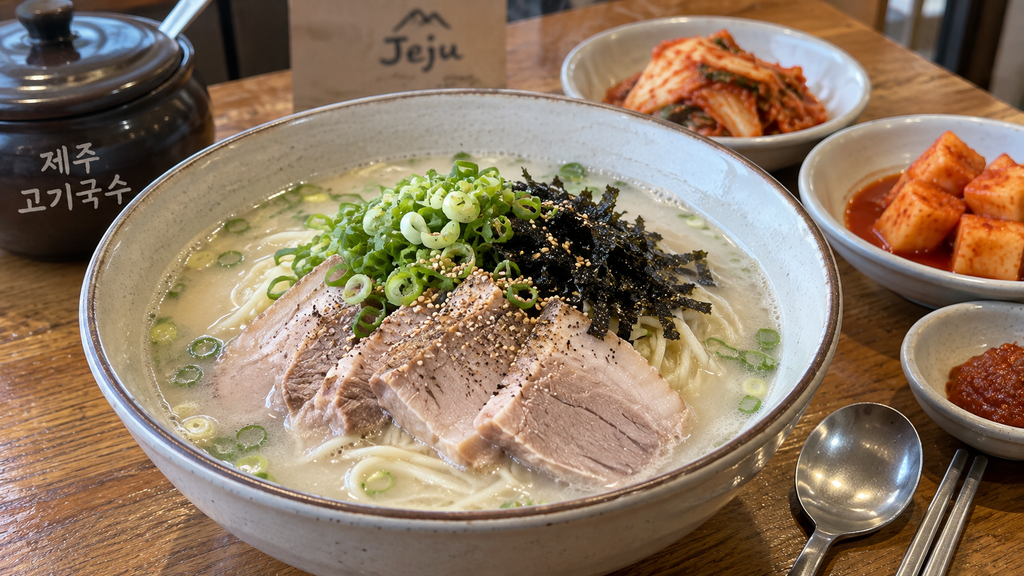
Gogi-guksu is one of Jeju’s classic local comfort foods and a dish worth trying if you want to eat beyond the island’s famous seafood. It consists of noodles served in a rich pork-based broth and topped with tender slices of pork.
The dish is simple, filling, and especially popular as an everyday meal. You can find gogi-guksu restaurants throughout Jeju City and other parts of the island, making it an easy local specialty to add to your itinerary.
Local Favorite: Ppalganjip (The Red House)
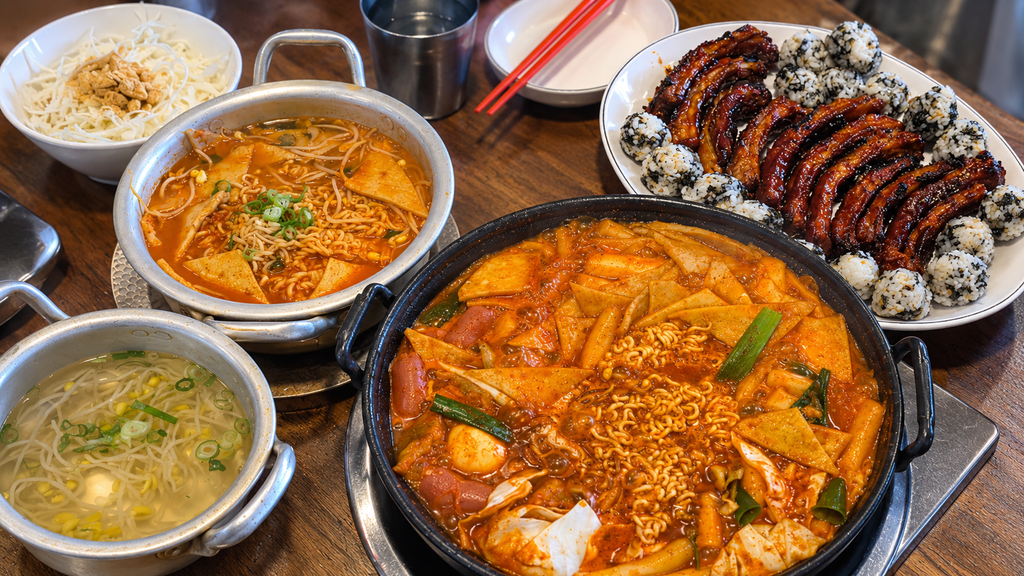
If you want to try something beyond Jeju’s typical tourist food, Ppalganjip (빨간집), meaning “The Red House,” is a fun local option for travelers who love spicy Korean food. The restaurant is well known among Jeju locals for its fiery dishes and distinctive red-themed interior.
Popular choices include spicy fire chicken, cheese fire chicken, boneless chicken feet, and spicy grilled cartilage served with rice balls. If you are sensitive to spicy food, order carefully—this is definitely a place for travelers who want to experience Korea’s love of heat.
The original location is near Jeju City Hall, making it a convenient stop if you are staying in Jeju City. It is a very different experience from black pork or seafood and offers a taste of the casual, late-night food culture that local residents enjoy.
Local Food Tip: This is a better choice for travelers looking for a casual local-style meal rather than a traditional Jeju specialty. If spicy food is not your thing, prioritize black pork, gogi-guksu, or seafood instead.
3-Day Jeju Itinerary
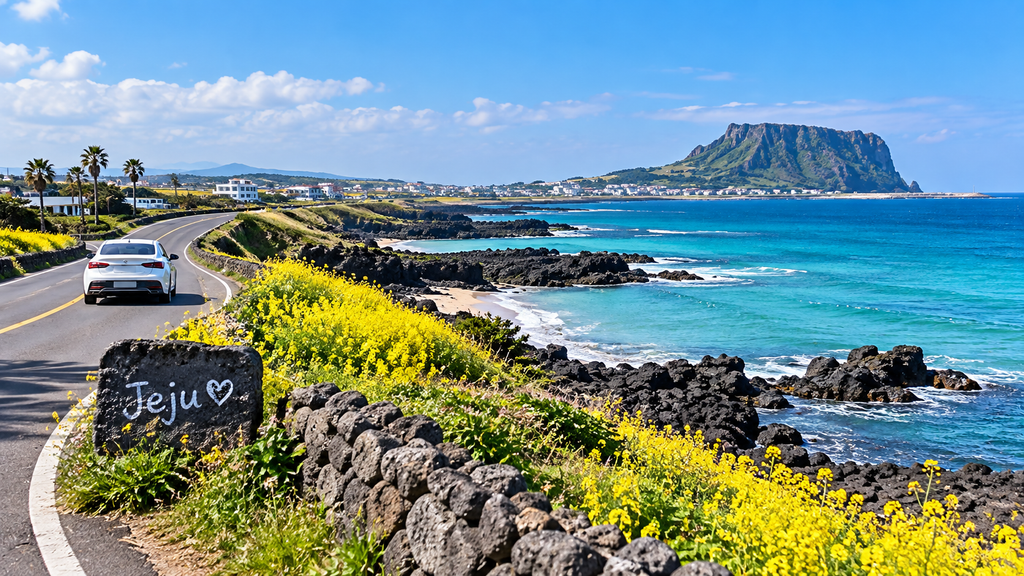
Three days is a great amount of time for a first trip to Jeju. Since attractions are spread across the island, planning each day around a different area will help you spend less time driving and more time exploring.
Day 1: Eastern Jeju
Start your first day at Seongsan Ilchulbong and arrive early enough to enjoy the climb before moving on to other parts of eastern Jeju.
Spend the rest of the day following the eastern coastline, stopping at beaches, coastal viewpoints, or small seaside villages that fit naturally along your route. Finish with seafood or another Jeju specialty near the coast rather than driving across the island for dinner.
Day 1 Route: Seongsan Ilchulbong → Eastern Jeju Coast → Seaside villages and viewpoints → Dinner near the coast
Route Tip: Keep Day 1 focused on eastern Jeju. Adding attractions from the western side of the island can turn a relaxed sightseeing day into several hours of unnecessary driving.
Day 2: Hallasan and Seogwipo
Begin Day 2 at Hallasan National Park. Choose your trail according to your fitness level and available time, and start early if you are planning a longer hike.
After Hallasan, continue south toward Seogwipo and visit Jeongbang Waterfall. Spend the evening around Seogwipo, where you can slow down after hiking and finish the day with a local meal.
Day 2 Route: Hallasan National Park → Jeongbang Waterfall → Seogwipo → Dinner
Hiking Day Tip: Keep this day flexible. A longer Hallasan hike can take up much of the day, so skip additional sightseeing if you finish later than expected.
Day 3: Western Jeju
Spend your final day exploring western Jeju, starting around Hyeopjae Beach and gradually following the western coastline. Leave time for cafés, coastal viewpoints, and other stops you discover along the way instead of filling the day with a long list of attractions.
If your flight leaves later in the day, gradually make your way back toward Jeju City and Jeju International Airport. This keeps the final day relaxed while moving you naturally closer to your departure point.
Day 3 Route: Hyeopjae Beach → Western Jeju Coast → Cafés and scenic stops → Jeju City / Airport
Departure Tip: Check your flight time before adding extra stops and leave enough time for the drive, rental-car return, and airport procedures.
Getting Around Jeju Island
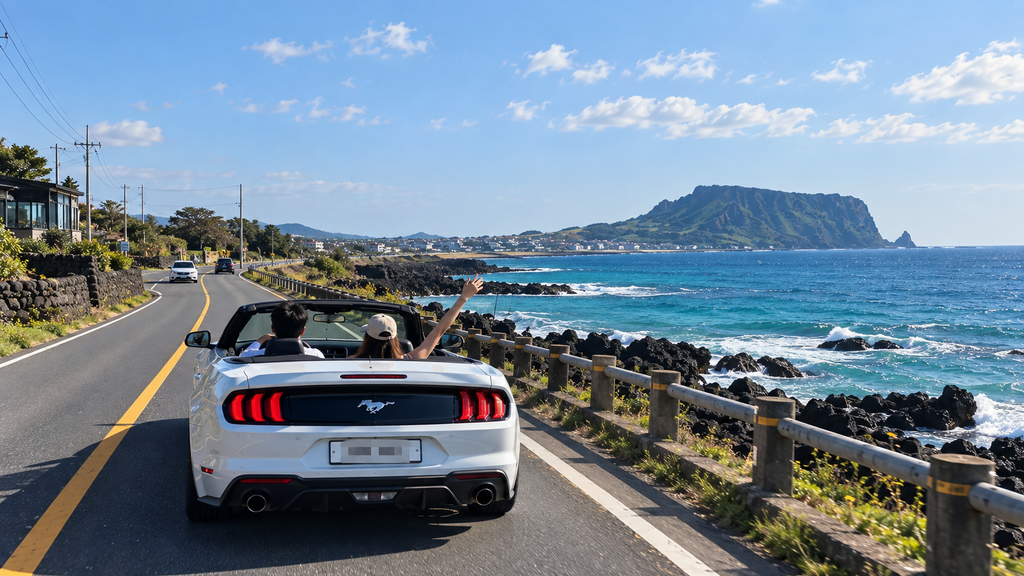
Jeju Island is much larger than many first-time visitors expect, and choosing the right transportation can have a major impact on your itinerary. Renting a car offers the most flexibility, while buses can work well for slower trips with fewer stops. Taxis are useful for shorter journeys but can become expensive when traveling long distances across the island.
Getting Around Tip: Decide how you will travel around Jeju before finalizing your itinerary. The number of attractions you can realistically visit in one day can be very different depending on whether you are driving or relying on buses.
Renting a Car
Renting a car is one of the most convenient ways to explore Jeju, especially if you plan to visit attractions outside Jeju City and Seogwipo. Having your own car gives you more flexibility to visit beaches, hiking areas, cafés, and scenic coastal roads without depending on bus schedules.
Foreign travelers should check the latest driving license and International Driving Permit requirements before arriving in Korea. It is also a good idea to reserve your rental car in advance during weekends, public holidays, and peak travel seasons.
Driving Tip: Group your stops by eastern, western, or southern Jeju even when you have a rental car. Having a car makes the island easier to explore, but repeatedly crossing Jeju can still take away a large part of your sightseeing time.
Public Buses
Jeju has a public bus network connecting Jeju City, Seogwipo, and many popular attractions around the island. Buses are an affordable option for travelers who do not want to drive.
However, reaching several attractions in a single day can take considerably longer by bus, and some routes may require transfers. Plan your itinerary carefully and allow extra travel time.
Taxis
Taxis are widely available in Jeju City and Seogwipo and can be convenient for shorter trips or travelers who prefer not to drive.
For long-distance sightseeing around the island, taxi fares can add up quickly. If you plan to visit several attractions in one day, compare the cost and convenience of taxis with renting a car or using public transportation.
Getting to Jeju
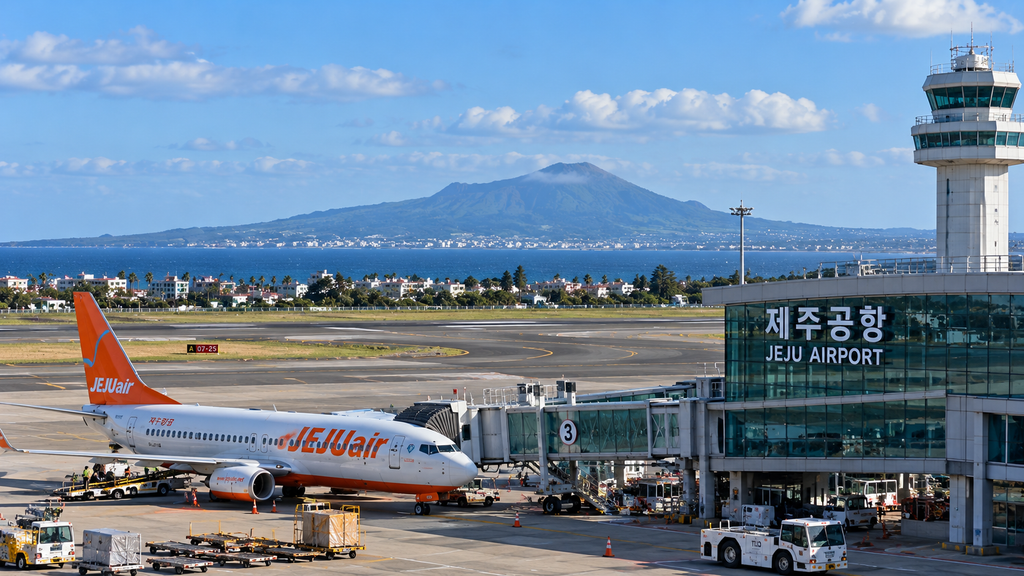
Most travelers reach Jeju Island by flying into Jeju International Airport. Domestic flights connect the island with major Korean cities, while international routes also serve destinations outside Korea.
Ferries are another option for travelers coming from the Korean mainland, but schedules and travel times depend on the departure port.
Arrival Tip: Consider where you will pick up your rental car or how you will reach your accommodation before arriving. Transportation after landing is an important part of planning your first day in Jeju.
From Seoul
Flying is the fastest and most convenient way to travel from Seoul to Jeju. Flights operate frequently, making Jeju an easy addition to a longer South Korea itinerary.
From Busan
Direct flights also connect Busan and Jeju, making it easy to combine Korea’s largest coastal city with a few days on the island.
Best Time to Visit Jeju
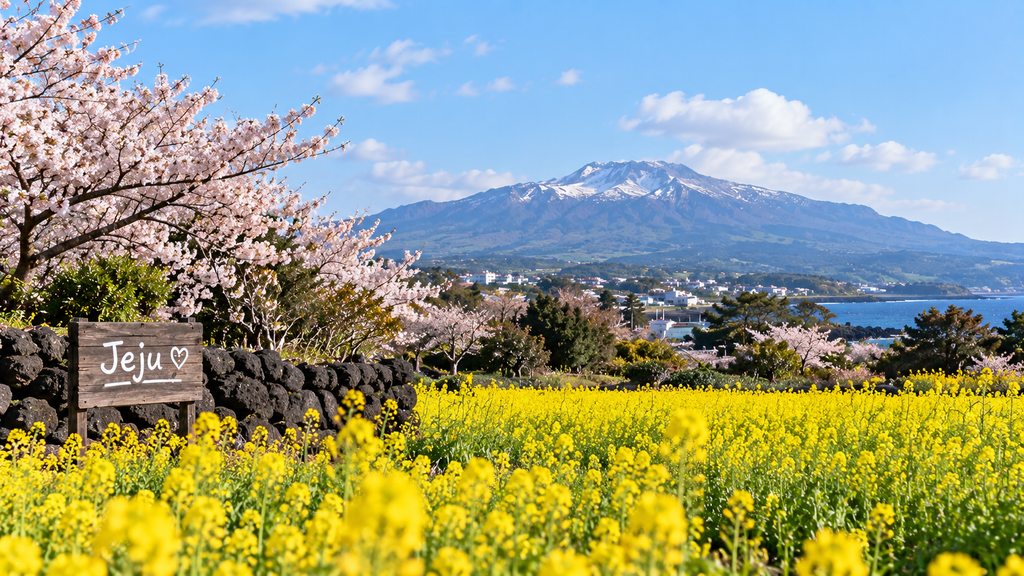
The best time to visit Jeju depends on what you want to do. Spring and autumn are comfortable for hiking and outdoor sightseeing, summer is better suited to beaches and coastal activities, and winter offers a quieter experience with the possibility of snow on Hallasan.
Season Tip: Choose your travel season based on your main activities rather than looking for one “perfect” month. Jeju’s beaches, hiking trails, and coastal scenery offer very different experiences throughout the year.
Spring (March to May)
Spring is one of the most beautiful times to visit Jeju. Mild temperatures make outdoor sightseeing comfortable, while cherry blossoms, canola flowers, and other seasonal blooms add color across the island.
It is an excellent season for hiking, coastal walks, and scenic drives without the intense heat and humidity of summer.
Summer (June to August)
Summer is the best season for travelers who want to enjoy Jeju’s beaches and coastal activities. The island becomes lively during the peak vacation period, especially around popular beaches.
Expect hot and humid weather, and be prepared for periods of heavy rain. Accommodation and rental cars can also book up quickly during busy summer dates.
Autumn (September to November)
Autumn brings cooler temperatures and comfortable conditions for exploring Jeju. It is particularly good for hiking Hallasan, walking the Jeju Olle Trails, and taking scenic drives around the island.
The combination of pleasant weather and changing autumn scenery makes this another excellent season for outdoor travelers.
Winter (December to February)
Winter is quieter and generally less crowded than the warmer seasons. Coastal areas remain enjoyable to explore, although temperatures can be cold and windy.
Hallasan can receive significant snowfall, transforming the mountain into one of Jeju’s most impressive winter landscapes. Always check weather and trail conditions before hiking.
Essential Jeju Travel Tips
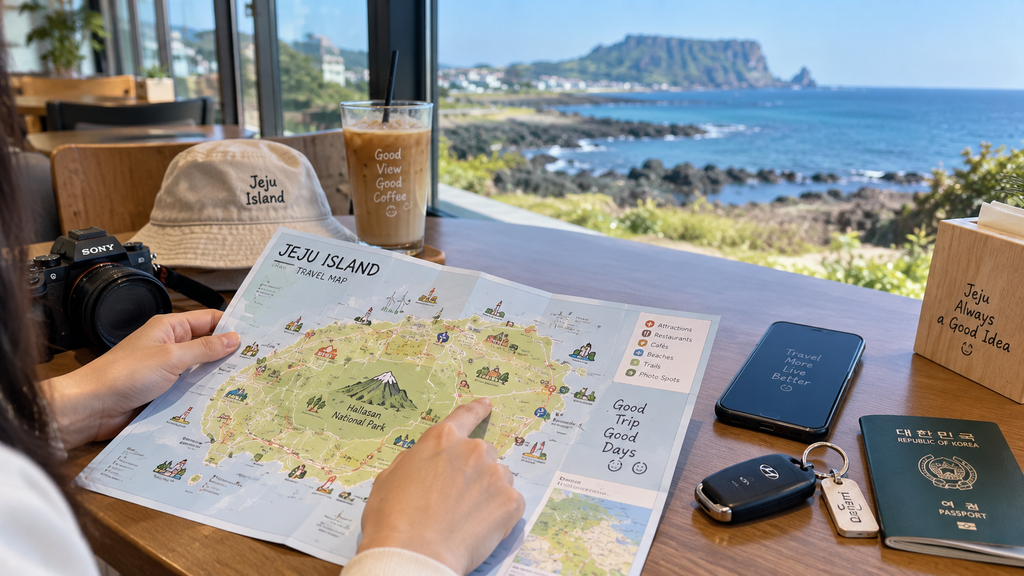
Jeju is easy to explore with a little planning, but distances between attractions can be longer than they appear. Keep these practical tips in mind when organizing your trip.
Plan Your Route by Area
Avoid crossing the entire island several times in one day. Group attractions by eastern, western, and southern Jeju to reduce travel time and enjoy a more relaxed itinerary.
Check the Weather Before Hiking
Weather conditions on Hallasan can change quickly and may be very different from conditions near the coast. Check the latest weather, trail conditions, and access information before heading into the mountains.
Reserve Popular Services Early
Rental cars and popular accommodations can sell out during weekends, Korean public holidays, and peak travel seasons. Booking ahead gives you more choices and can make your trip easier to plan.
Don’t Try to See Everything
Jeju is bigger than it looks, and rushing between attractions can take away from the experience. Leave some free time for unexpected coastal viewpoints, cafés, local restaurants, and places you discover along the way.
Final Thoughts
Jeju is best enjoyed when you give yourself enough time to explore each part of the island without rushing. Rather than trying to visit every famous attraction, focus on a few areas each day and leave room for coastal views, local food, cafés, and unexpected stops along the way.
Three days is enough to experience several of Jeju’s major highlights, but a longer stay gives you more flexibility for hiking, beaches, and slower travel. Whether you come for Hallasan, the coastline, local food, or simply a break from Korea’s busy cities, planning your route by area will make the trip much easier.
If Jeju is part of a longer South Korea trip, continue planning with our Seoul Travel Guide and Busan Travel Guide for more ideas on building your Korea itinerary.