
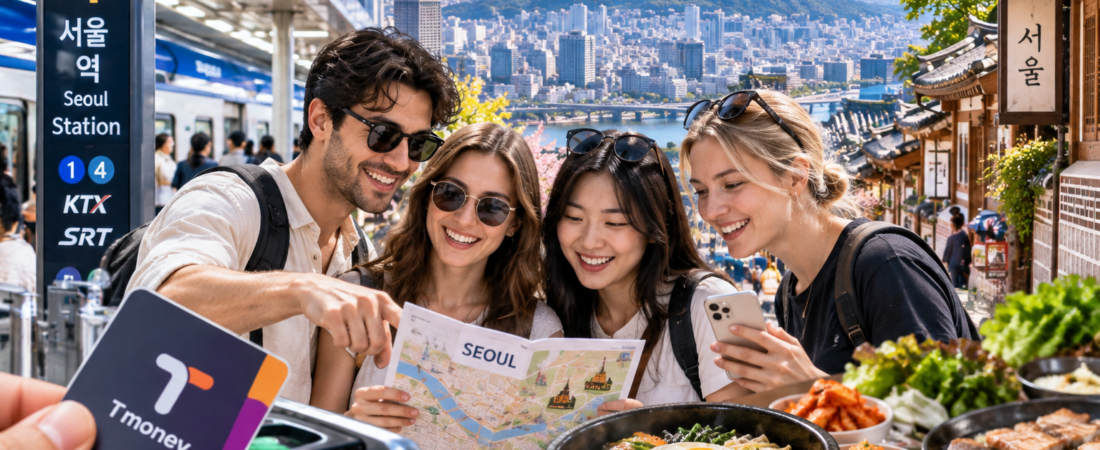
Planning your first trip to South Korea? Most travel mistakes in Korea are not major disasters, but small misunderstandings can cost you time, money, or unnecessary frustration.
Navigation apps, transportation cards, payment methods, restaurant systems, mobile data, and even trip planning can work differently from what international visitors are used to. Knowing these differences before you arrive makes it much easier to move around independently and avoid preventable problems.
This guide covers 15 common mistakes first-time visitors make in South Korea, why they can cause problems, and what to do instead so you can spend less time troubleshooting and more time enjoying your trip.
1. Relying Only on Google Maps
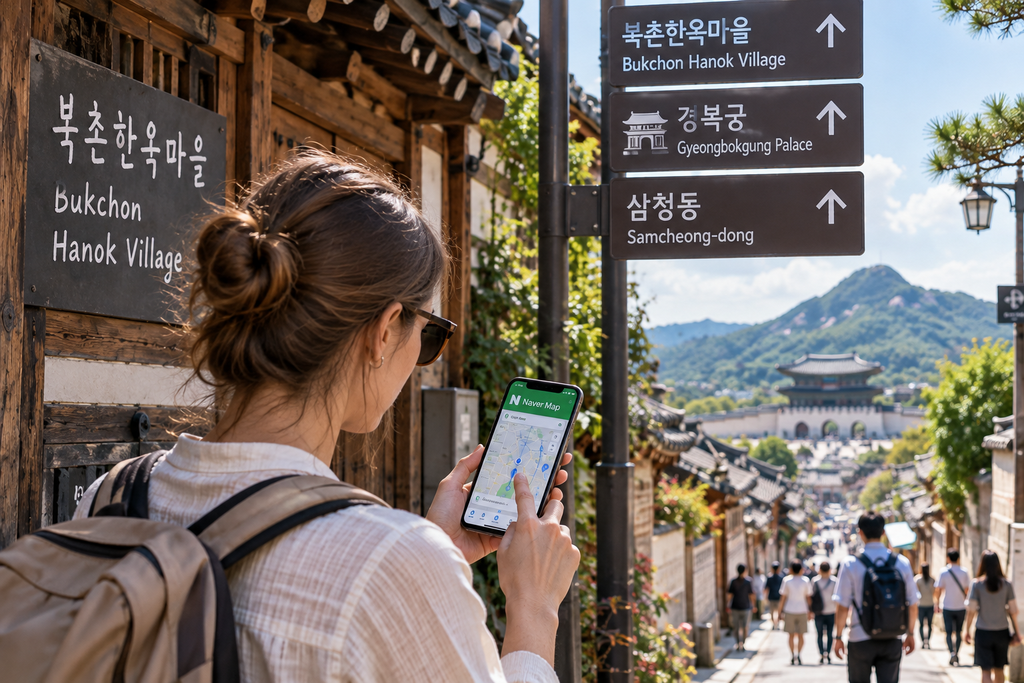
Google Maps works in South Korea, but relying on it as your only navigation app can make getting around more difficult than necessary.
Because of local mapping restrictions and differences in available data, walking directions, public transportation information, and place searches may not always work as well as international travelers expect.
For everyday navigation in Korea, Naver Map and KakaoMap are commonly used and often provide more detailed local information. Naver Map also supports English and can be especially useful for finding subway routes, bus stops, restaurants, cafés, and attractions.
Navigation Tip: Install Naver Map before arriving in Korea and save your hotel and major destinations in advance. Keep Google Maps as a secondary option, but use a Korean navigation app when you need detailed walking routes, public transportation information, or local place searches.
2. Not Getting a T-Money Card
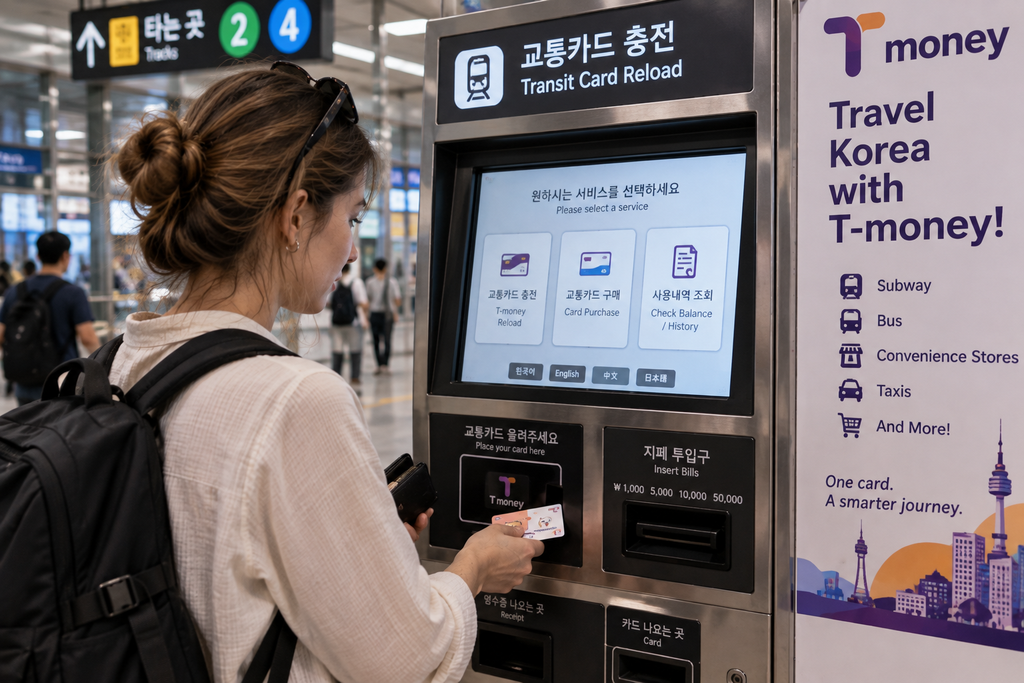
Using public transportation without a transportation card can make traveling around Korea unnecessarily inconvenient.
A T-money card can be used on most subways and city buses across South Korea, including Seoul and Busan. It can also be used for transfers between buses and subways, which can help reduce transportation costs compared with paying separately for each ride.
You can usually buy a T-money card at convenience stores and subway stations. After purchasing the card, add Korean won to the balance before using it.
Remember to tap your card when entering and exiting the subway. On buses, you should also tap when getting off, especially if you plan to transfer to another bus or subway.
Transit Tip: Buy a T-money card early in your trip and keep some Korean won available for recharging it. Remember to tap when getting off a bus as well as when boarding, especially when transferring to another bus or subway.
3. Using the Subway Without Checking the Last Train
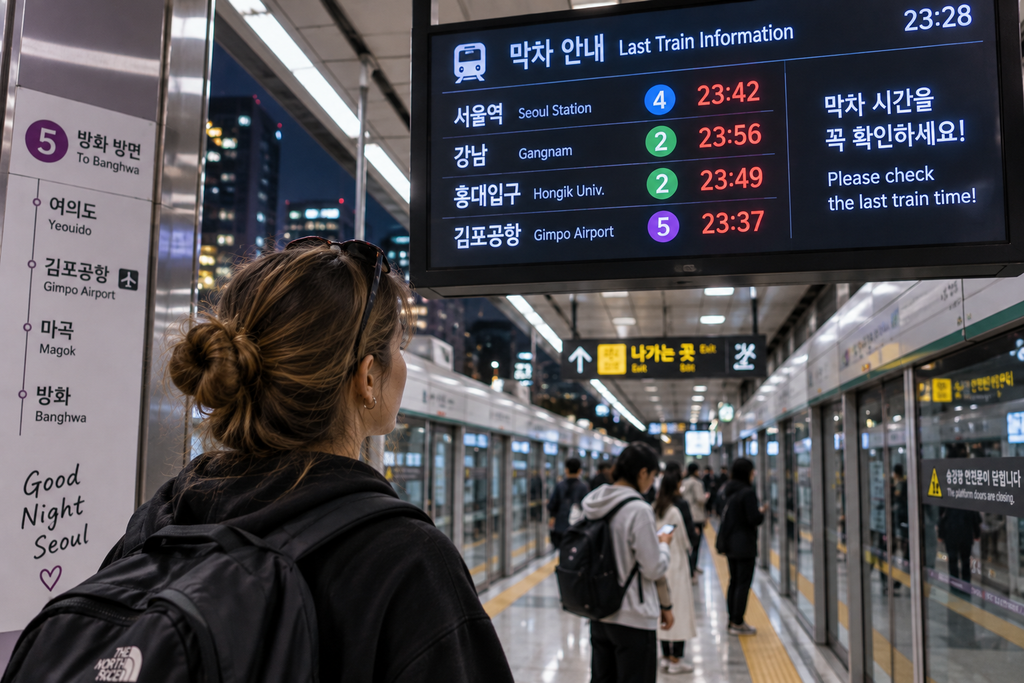
Seoul’s subway system is convenient, but it does not operate 24 hours a day.
Last train times vary depending on the subway line, station, direction, and day of the week. If you stay out late in areas such as Hongdae, Itaewon, Gangnam, or Myeongdong, you may discover that the subway has already stopped running when you are ready to return to your accommodation.
In that situation, you may need to take a taxi, which can make your night significantly more expensive than expected.
Do not assume that every train shown late at night will take you all the way to your destination. Some late trains terminate before reaching the end of the line.
Late-Night Tip: Check both the last train time and its final destination before staying out late. If the subway will no longer take you all the way back to your accommodation, plan a taxi or another route before you leave.
4. Assuming Your Foreign Card Will Work Everywhere
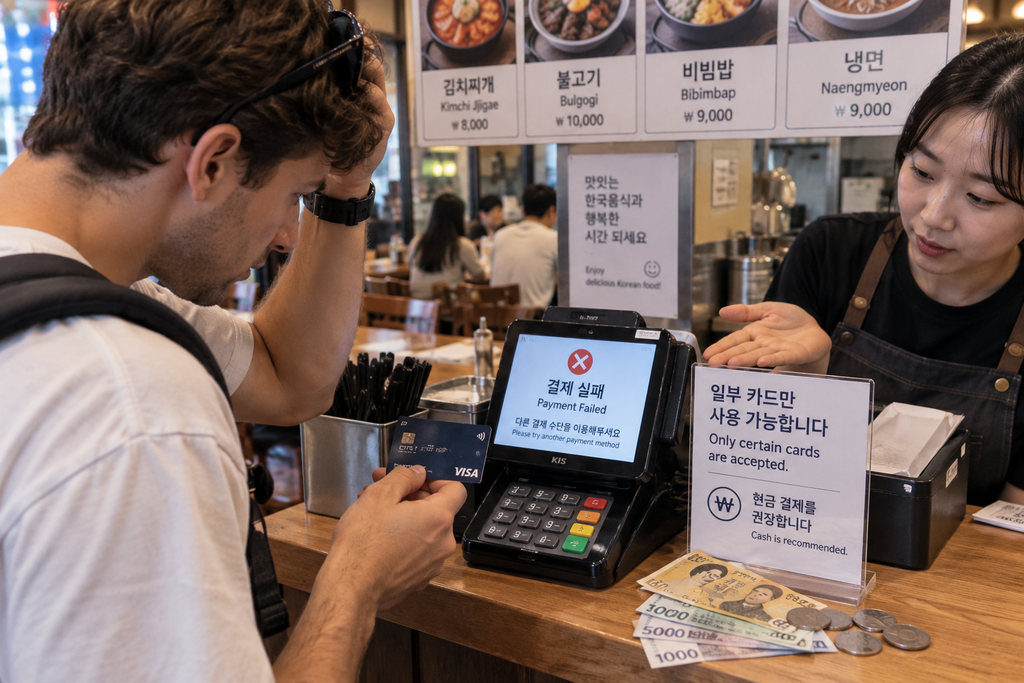
Credit and debit cards are widely accepted in South Korea, but international travelers should not assume that every foreign card will work everywhere.
Most hotels, department stores, convenience stores, cafés, and larger restaurants accept cards. However, foreign cards can occasionally be declined because of the card issuer, payment network, or the merchant’s payment terminal.
Cash can also still be useful at traditional markets, small local businesses, street food stalls, and when recharging transportation cards.
For this reason, traveling with only one credit card and no Korean won can create unnecessary problems.
Payment Tip: Carry at least two payment methods and keep a small amount of Korean won as backup. Store your backup card separately from your main wallet so one lost wallet or declined card does not leave you without another way to pay.
5. Taking Taxis Everywhere
Taxis in South Korea can be convenient, but using them for every trip can quickly increase your travel expenses.
In cities such as Seoul and Busan, the subway and bus systems connect most major tourist areas and are usually much cheaper than taking a taxi.
Traffic is another factor to consider. During rush hour, traveling across Seoul by taxi can sometimes take longer than using the subway.
Taxis are still useful when you have heavy luggage, travel late at night, or visit a place that is difficult to reach by public transportation.
Getting Around Tip: Use subways and buses for most daytime trips, then save taxis for late nights, heavy luggage, or destinations that are inconvenient by public transportation. This can reduce transportation costs without giving up the convenience of taxis when they are genuinely useful.
6. Staying Too Far Away Just to Save Money
Choosing the cheapest hotel you can find is not always the best way to save money in Korea.
A hotel located far from the neighborhoods you actually want to visit may be slightly cheaper, but you could spend much more time commuting every day. Long subway rides, transfers, and occasional taxi fares can make the savings less worthwhile.
For first-time visitors to Seoul, staying near a convenient subway station is often more important than simply choosing the lowest-priced accommodation.
Areas such as Myeongdong, Hongdae, Jongno, and other well-connected neighborhoods can make it easier to reach many popular attractions.
Hotel Location Tip: Before booking, check the walking distance to the nearest subway station and test a few routes from the hotel to the places on your itinerary. A slightly more expensive hotel can be better value if it reduces long commutes, transfers, and taxi rides.
7. Not Having Mobile Data or an eSIM Ready
Having reliable mobile data makes traveling in South Korea much easier.
You will probably use your phone throughout the day for navigation, translation, subway routes, restaurant searches, taxi apps, and checking opening hours.
Relying entirely on free Wi-Fi can become inconvenient when you are walking between attractions or trying to find a bus stop, restaurant, or accommodation.
A Korean SIM card, eSIM, or portable Wi-Fi device can give you internet access throughout your trip.
Connectivity Tip: Set up your SIM or eSIM before leaving the airport if possible. Test that your mobile data works before heading to your accommodation so you can immediately use navigation, translation, transportation, and taxi apps.
8. Expecting English to Be Spoken Everywhere
English signs are common in major tourist areas, subway stations, airports, and popular attractions, but you should not expect everyone you meet in Korea to speak English.
At smaller restaurants, traditional markets, local shops, and places outside major tourist districts, staff may speak little or no English.
This usually does not prevent travelers from getting what they need, but having a translation app can make communication much easier.
Papago is particularly useful in Korea and can translate text, conversations, and images such as menus or signs.
Communication Tip: Save your hotel’s Korean name and address on your phone and keep a translation app ready. Showing written Korean can be much easier than trying to explain an unfamiliar place name when asking a taxi driver or local resident for help.
9. Only Eating in Major Tourist Areas
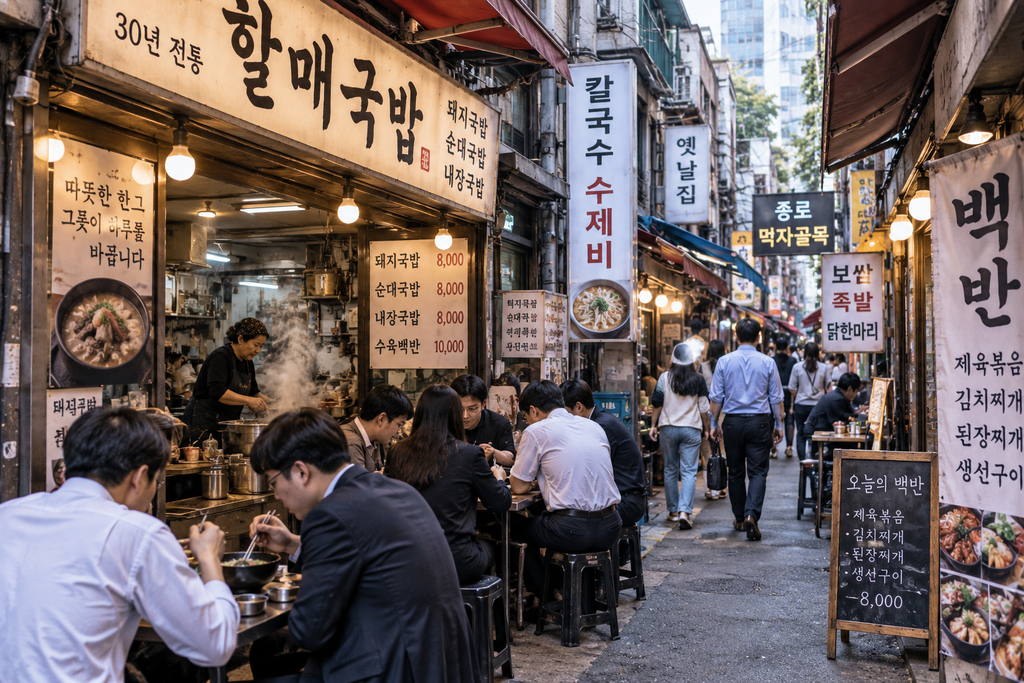
Myeongdong, Hongdae, Gangnam, and other popular tourist districts have plenty of good restaurants, but limiting yourself to the busiest streets can mean missing some of Korea’s best local food experiences.
Restaurants around major attractions may focus heavily on visitors, while smaller restaurants a few streets away often serve nearby residents and office workers.
Do not be afraid of restaurants with simple interiors or menus containing mostly Korean text. Busy local restaurants can often be excellent places to experience everyday Korean food.
Traditional markets are also worth exploring for snacks, street food, and regional specialties.
Food Tip: Explore a few streets beyond the busiest tourist areas and look for restaurants used by nearby residents or office workers. Around lunchtime, a busy local restaurant can be a useful sign that the place is popular for everyday meals.
10. Ignoring Korean Restaurant Etiquette
Eating out in Korea can work a little differently from what first-time visitors expect.
At many restaurants, water, utensils, side dishes, or napkins may be available at a self-service station rather than automatically brought to your table.
Some restaurants also use tablets or kiosks for ordering, while others expect customers to pay at the counter near the entrance instead of waiting for the bill at the table.
At Korean BBQ restaurants, certain menu items may require a minimum order, particularly when ordering meat.
Do not worry about memorizing complicated etiquette rules. Watching what other customers do is often enough to understand how a restaurant works.
Restaurant Tip: If water, utensils, or napkins are not on the table, look for a self-service station or a drawer built into the side of the table. Also check whether the restaurant expects you to order by kiosk or tablet and pay at the counter rather than waiting for a bill.
11. Underestimating How Much Walking You Will Do
Even with Korea’s excellent public transportation, travelers often walk much more than they expect.
Large subway stations can involve long underground corridors, transfers, and multiple staircases. Attractions such as palaces, traditional neighborhoods, markets, and shopping districts can also require several hours of walking.
Some neighborhoods in Seoul and Busan are surprisingly hilly, which can make short distances feel much longer.
Comfortable shoes can make a significant difference, especially if your itinerary includes several attractions in one day.
Walking Tip: Check the actual walking route rather than judging distance only by the number of subway stops. Large stations, long transfers, stairs, and hilly neighborhoods can add much more walking than the map distance suggests, so comfortable shoes are worth prioritizing.
12. Planning Too Many Places in One Day
South Korea may look relatively small on a map, but trying to visit too many attractions in one day can quickly become exhausting.
Seoul in particular is a huge city. Traveling between neighborhoods on opposite sides of the city can take much longer than expected once walking, subway transfers, meals, and waiting times are included.
Instead of jumping between distant attractions, organize your itinerary by area.
For example, you can combine several attractions around Jongno and Insadong on one day and explore Hongdae and nearby neighborhoods on another.
Itinerary Tip: Group attractions by neighborhood instead of trying to cross the city several times in one day. For example, keep Jongno and Insadong together, then explore Hongdae and nearby areas on a different day to reduce unnecessary travel time.
13. Forgetting About Korean Holidays and Peak Travel Dates
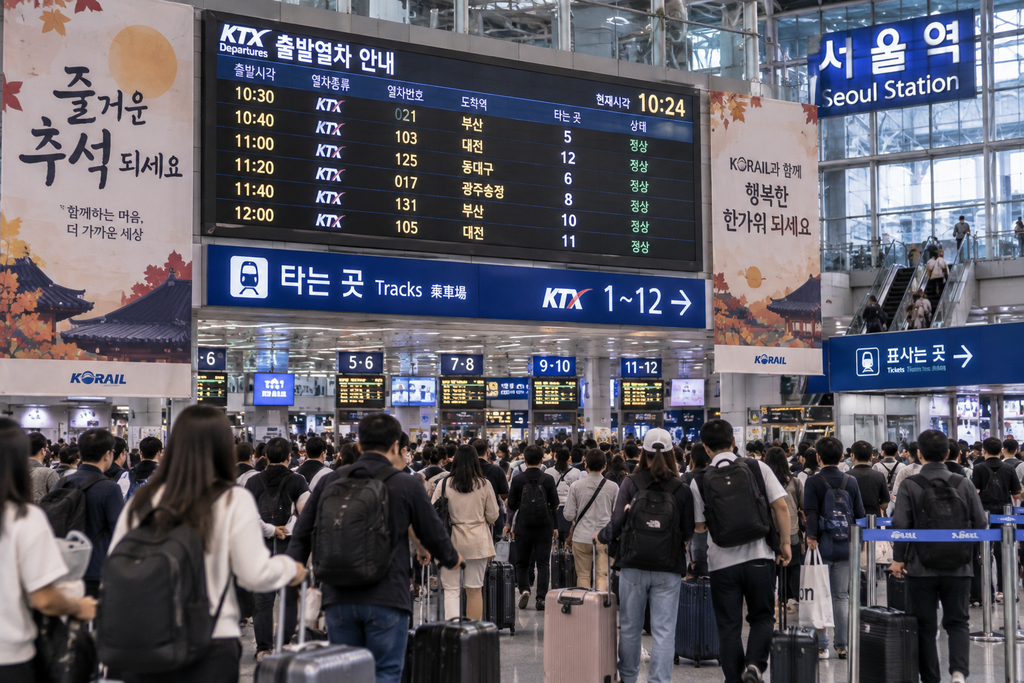
Major Korean holidays can affect transportation, accommodation prices, opening hours, and crowds.
Seollal, the Korean Lunar New Year, and Chuseok are particularly important because millions of people travel around the country to visit family.
Train and bus tickets on popular intercity routes can become difficult to obtain, while some restaurants and smaller businesses may close during parts of the holiday.
Cherry blossom season, summer vacation periods, and autumn foliage season can also increase accommodation prices in popular destinations.
Holiday Tip: If your trip overlaps with Seollal or Chuseok, check intercity transportation and attraction schedules before you arrive. Popular train and bus routes can become difficult to book, while some smaller businesses may close during part of the holiday.
14. Throwing Away Trash Without Checking the Bin
Finding a public trash bin in Korea can sometimes be more difficult than international visitors expect.
You may walk for quite a while in busy neighborhoods without seeing a general waste bin, especially away from subway stations and major facilities.
Recycling and waste separation are also taken seriously in Korea, so you may see separate sections for general waste, plastic bottles, cans, and other recyclable materials.
Convenience stores sometimes provide waste bins for products consumed there, but they should not be treated as a place to dispose of large amounts of personal trash.
Waste Tip: Keep a small bag in your backpack for wrappers and other small pieces of trash when you cannot find a public bin. Dispose of them later at an appropriate facility, and check the labels before using recycling or general-waste bins.
15. Trying to Experience Korea Exactly Like Social Media
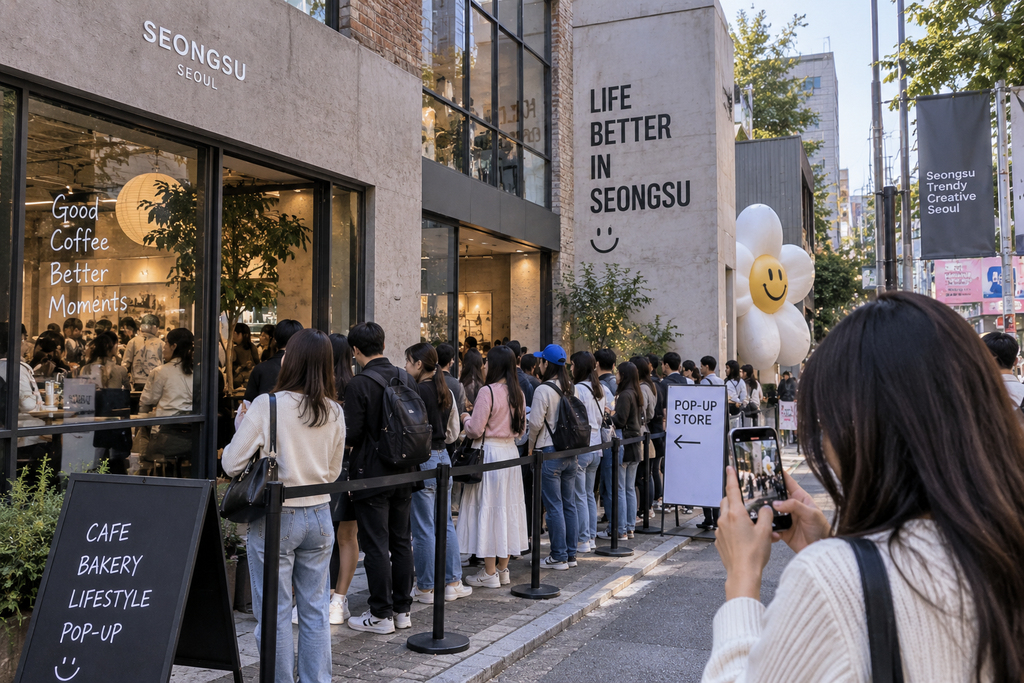
Social media can be useful for discovering places in Korea, but building your entire itinerary around viral cafés, restaurants, and photo spots can lead to long lines and unnecessary travel.
Popular locations on Instagram, TikTok, and YouTube may look quiet in photos but can be extremely crowded in reality, especially on weekends.
Some of the most enjoyable experiences in Korea come from exploring ordinary neighborhoods, traditional markets, local restaurants, parks, and streets that were never part of your original itinerary.
Use social media for inspiration rather than treating every viral location as a must-visit attraction.
Planning Tip: Leave some unscheduled time in your itinerary instead of filling every hour with viral cafés, restaurants, and photo spots. A flexible schedule gives you room to explore an interesting market, alley, café, park, or neighborhood you discover naturally during the day.
Final Thoughts: Avoid These Korea Travel Mistakes
Traveling in South Korea becomes much easier when you understand a few local systems before you arrive. Preparing mobile data, using Korean navigation apps, carrying a transportation card and backup payment method, and checking transportation schedules can prevent many common first-time travel problems.
Just as importantly, avoid overplanning. Group nearby attractions together, leave enough time for walking and transportation, and keep some flexibility for local restaurants, markets, neighborhoods, and places you discover along the way.
You do not need to prepare for every possible situation. A few practical habits and a flexible itinerary can help you spend less time solving avoidable problems and more time enjoying your trip through South Korea.