
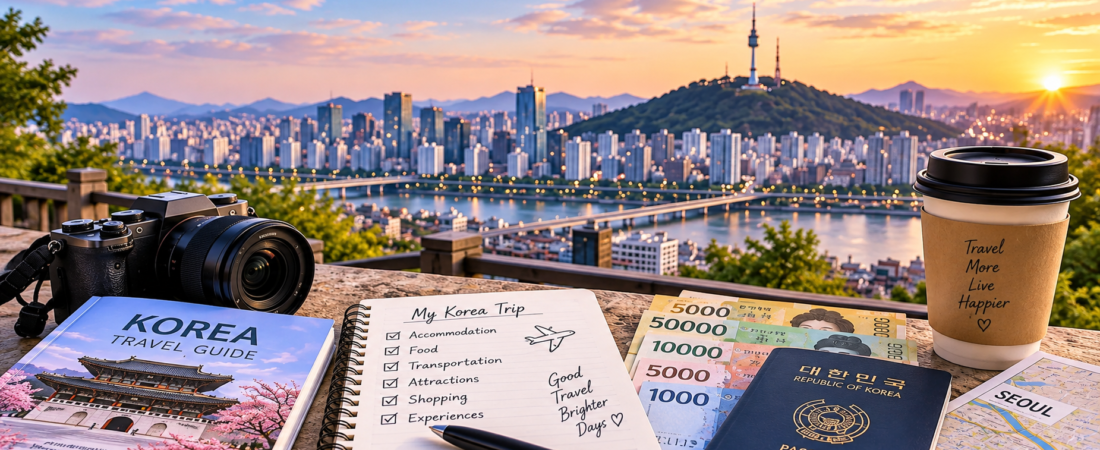
Planning a trip to South Korea and wondering how much money you will actually need? Korea can work for very different travel budgets, but the final cost depends heavily on your accommodation, dining choices, transportation, shopping, and the cities you plan to visit.
Everyday expenses such as public transportation and local meals can be relatively manageable, while hotels, frequent café visits, taxis, shopping, and paid experiences can increase your total quickly. Your budget can also change depending on whether you travel alone, share accommodation, or visit during busy travel periods.
This guide breaks down the main costs of traveling in South Korea in 2026, including accommodation, food, transportation, attractions, shopping, hidden expenses, and realistic daily and 7-day budgets for different travel styles.
How Much Does a Trip to Korea Cost in 2026?
South Korea can be surprisingly affordable compared with many other popular travel destinations, but your total cost will depend heavily on where you stay, what you eat, and how often you shop or use taxis.
For most travelers, a realistic daily budget excluding international flights is around ₩70,000–₩120,000 for budget travel, ₩150,000–₩250,000 for a comfortable mid-range trip, and ₩300,000 or more for travelers who prefer higher-end hotels, frequent taxis, shopping, and premium dining.
Seoul is generally the most expensive destination, especially for accommodation in popular areas such as Myeongdong, Hongdae, Gangnam, and around major tourist attractions. Busan and Jeju can sometimes be cheaper, although transportation costs in Jeju may increase if you rent a car or rely heavily on taxis.
One important thing to remember is that you do not need to spend a lot of money to eat well in Korea. Local restaurants, convenience stores, markets, and public transportation can keep everyday travel costs relatively low.
Your biggest expenses will usually be accommodation and shopping rather than subway fares or ordinary Korean meals.
Accommodation Costs in Korea
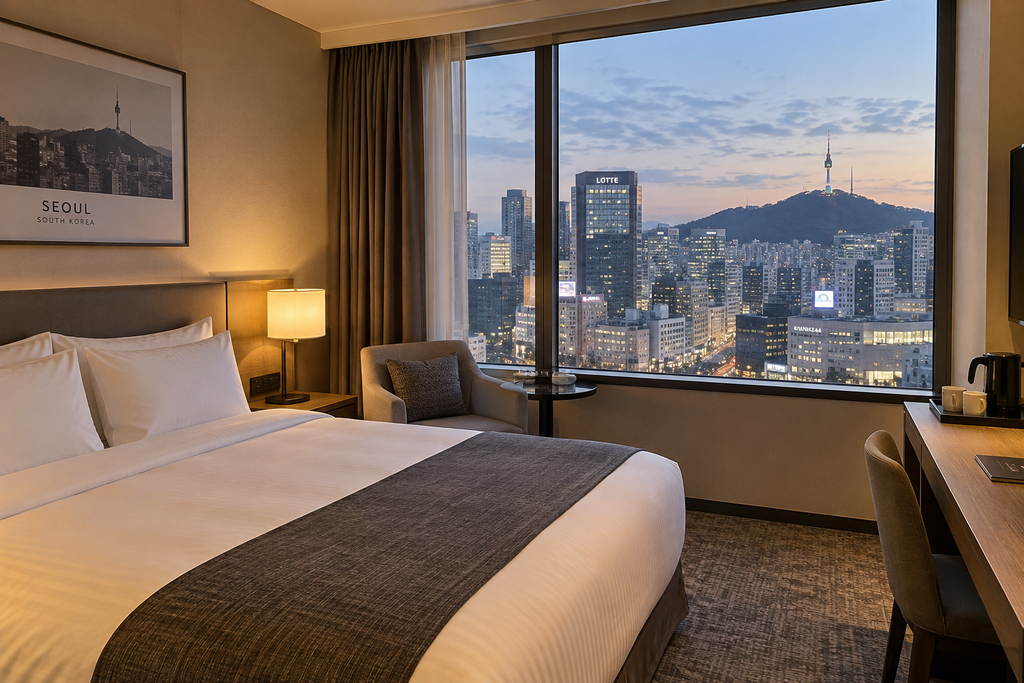
Accommodation will usually be one of the biggest expenses during your trip to South Korea.
In Seoul, a bed in a hostel or simple guesthouse can often cost around ₩25,000–₩50,000 per night, while a decent budget hotel may cost approximately ₩60,000–₩100,000.
For a comfortable mid-range hotel, expect to pay roughly ₩100,000–₩200,000 per night. Hotels in popular areas such as Myeongdong, Hongdae, Gangnam, and near major attractions can be more expensive, especially on weekends and during peak travel seasons.
Busan can sometimes offer better value than Seoul, although accommodation near Haeundae and Gwangalli can become significantly more expensive during summer weekends and holidays.
Jeju accommodation varies widely. Guesthouses and simple hotels can be affordable, while resorts and ocean-view properties can quickly increase your budget.
Booking Tip: Compare the total accommodation cost for your exact travel dates rather than relying on the advertised nightly rate. Weekend stays, major Korean holidays, and popular cherry blossom or autumn foliage periods can increase prices. If your dates are flexible, compare a few different check-in days before booking.
Food Costs in Korea
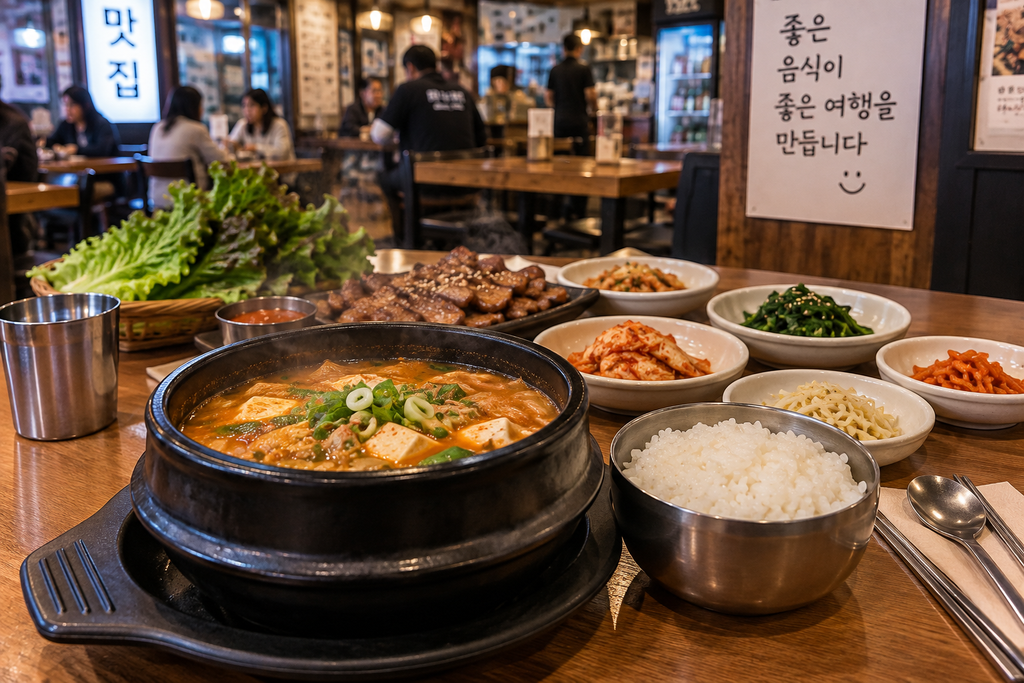
Food is one of the best areas to save money while traveling in South Korea. You can eat very well without relying on expensive restaurants.
A simple local meal such as kimbap, noodles, gukbap, or a Korean rice dish will often cost around ₩5,000–₩12,000. A typical meal at an ordinary Korean restaurant is usually around ₩10,000–₩15,000 per person.
Korean BBQ is more expensive. Depending on the restaurant and the type of meat, expect to spend roughly ₩20,000–₩40,000 or more per person. Fried chicken for sharing commonly costs around ₩20,000–₩30,000 before drinks or delivery fees.
Traditional markets can also be a good option for travelers who want to try several Korean foods without having a full restaurant meal.
Cafés are another expense that travelers sometimes underestimate. An Americano commonly costs around ₩3,000–₩6,000, while specialty drinks and desserts at popular cafés can easily push a café visit above ₩10,000 per person.
Convenience stores are useful for keeping your budget down. Drinks, snacks, instant noodles, kimbap, and ready-to-eat meals make them particularly useful for breakfast or a quick late-night meal.
Food Budget Tip: If you want to control your daily food spending, balance inexpensive local meals with the cafés, Korean BBQ, or specialty restaurants you want to experience. Restaurants a few streets away from major tourist attractions may offer better value, so compare menus and prices before choosing where to eat.
Transportation Costs in Korea
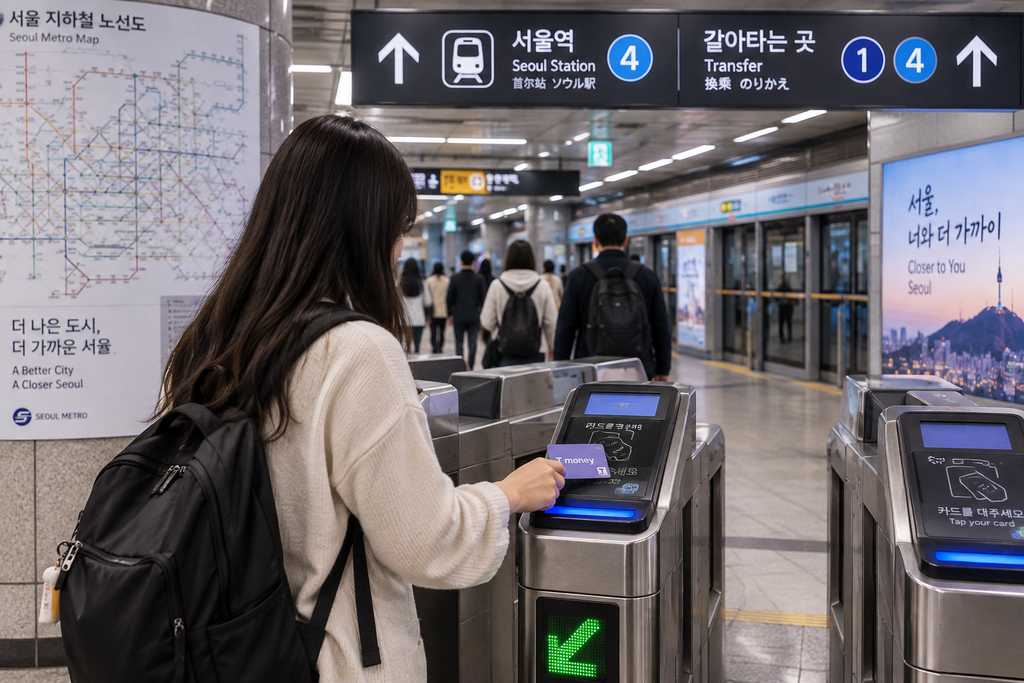
Public transportation in South Korea is affordable and efficient, so getting around usually does not take up a large part of your travel budget.
In Seoul, a typical subway or city bus ride usually costs around ₩1,500–₩2,000 depending on the distance and payment method. Travelers who use public transportation several times a day can often keep their daily transportation budget around ₩5,000–₩10,000.
Taxis are more expensive but can still be useful when traveling late at night, carrying luggage, or moving between places that are inconvenient by subway. However, taking taxis several times every day can quickly increase your total travel costs.
Traveling between cities is more expensive. High-speed KTX trains can cost several tens of thousands of won depending on the route, while intercity and express buses are often a cheaper alternative.
Jeju is different from Seoul and Busan because the island does not have a subway system. Public buses are available, but travelers who want to visit several attractions efficiently often choose a rental car or taxis, which can make transportation one of the larger expenses of a Jeju trip.
Transportation Budget Tip: In Seoul and Busan, public transportation is usually more economical than renting a car. However, if your itinerary includes KTX journeys between cities or a rental car in Jeju, calculate those costs separately instead of relying only on your daily subway and bus budget.
Attractions and Activities Costs in Korea
Sightseeing in South Korea does not have to be expensive. Many neighborhoods, traditional markets, parks, hiking trails, beaches, and cultural areas can be explored for free.
Entrance fees for many palaces, museums, and historical attractions are relatively affordable, often costing only a few thousand won. This makes it possible to spend an entire day sightseeing without a large attractions budget.
Your costs can increase if you add paid experiences such as observation decks, theme parks, guided tours, performances, cooking classes, or day trips outside the city. Some popular activities can cost anywhere from ₩20,000 to well over ₩100,000 per person.
Seoul is particularly easy to explore on a budget because places such as traditional neighborhoods, markets, the Han River parks, and many hiking areas can be enjoyed without paying an entrance fee.
Busan also offers plenty of free experiences, including beaches, coastal walks, markets, and scenic neighborhoods.
Activity Budget Tip: Decide in advance which paid experiences are priorities for your trip, then build the rest of your itinerary around free or inexpensive attractions. Mixing observation decks, tours, or theme parks with markets, parks, beaches, hiking trails, and neighborhoods can keep your sightseeing budget under control.
Shopping Costs in Korea
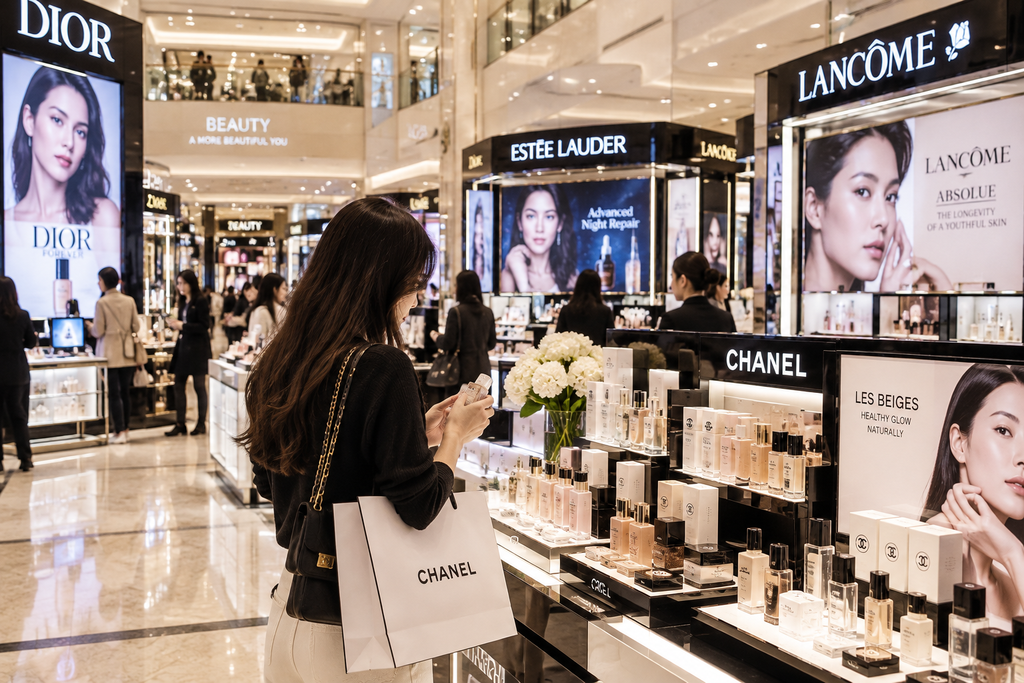
Shopping is one of the most unpredictable expenses when traveling in South Korea because it depends entirely on your interests.
Popular purchases among international travelers include Korean skincare and cosmetics, fashion, snacks, souvenirs, K-pop merchandise, and small lifestyle products.
Stores such as Olive Young are especially popular for skincare, cosmetics, and beauty products, while Daiso can be useful for inexpensive souvenirs, travel supplies, stationery, and everyday items.
Traditional markets and shopping districts are also good places to look for souvenirs and local products. In areas such as Myeongdong, Hongdae, Seongsu, and Gangnam, it is very easy to spend much more than planned because shops, cafés, pop-up stores, and beauty stores are concentrated in the same area.
A traveler buying only a few souvenirs might spend ₩30,000–₩100,000 during the entire trip, while serious shopping can easily add several hundred thousand won or more to the total budget.
Shopping Budget Tip: Keep shopping separate from your daily travel budget. Set a dedicated amount for cosmetics, fashion, souvenirs, and K-pop merchandise so impulse purchases do not reduce the money you planned for accommodation, food, transportation, or activities.
How Much Money Do You Need Per Day in Korea?
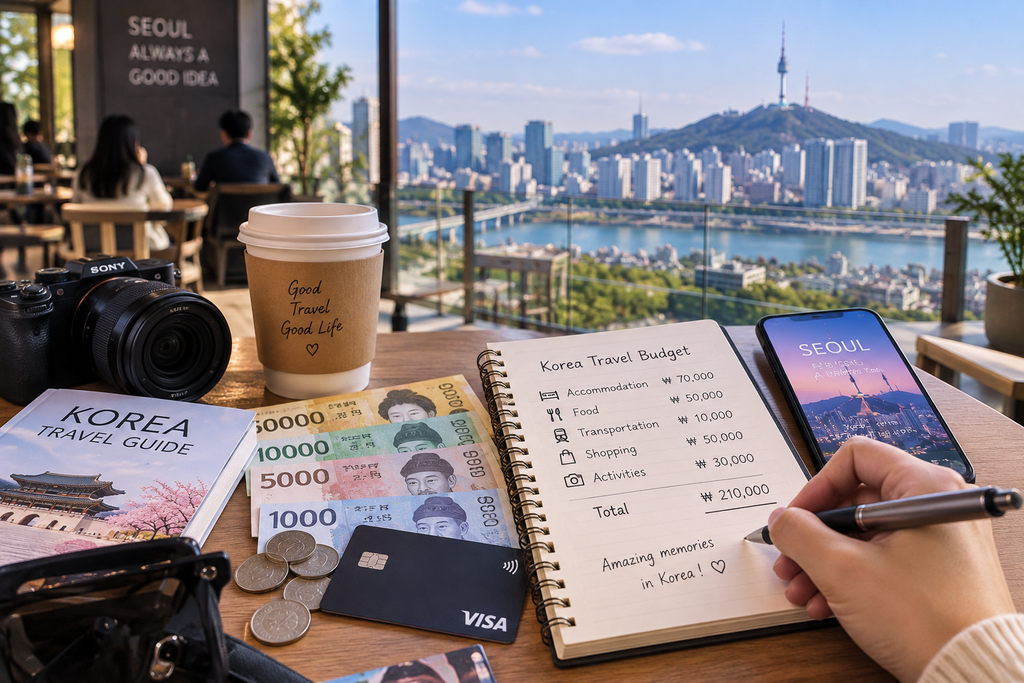
A realistic daily budget for South Korea depends on your travel style. The estimates below exclude international flights and shopping because those costs vary significantly from traveler to traveler.
Budget Traveler: ₩70,000–₩120,000 per day
This budget works for travelers staying in hostels or inexpensive guesthouses, eating mostly at local restaurants or convenience stores, using public transportation, and focusing on free or inexpensive attractions.
Mid-Range Traveler: ₩150,000–₩250,000 per day
This is a comfortable budget for many first-time visitors. It can cover a decent hotel, regular Korean restaurant meals, cafés, public transportation, occasional taxis, and several paid attractions or experiences.
Comfortable Traveler: ₩300,000+ per day
Travelers staying in higher-end hotels, eating at more expensive restaurants, taking taxis frequently, visiting premium attractions, and enjoying cafés or nightlife can easily spend ₩300,000 or more per day.
For most first-time travelers who want a comfortable trip without luxury spending, around ₩150,000–₩200,000 per person per day is a useful starting point.
How Much Does a 7-Day Trip to Korea Cost?
For a one-week trip to South Korea, your total budget can vary significantly depending on your accommodation and travel style.
A budget traveler might spend around ₩490,000–₩840,000 for seven days, while a mid-range traveler could spend approximately ₩1,050,000–₩1,750,000.
For a more comfortable trip with higher-end accommodation, frequent taxis, better restaurants, cafés, and paid experiences, the total can easily exceed ₩2,100,000.
These estimates do not include international airfare or major shopping expenses.
Couples and families may be able to reduce the cost per person by sharing accommodation and some transportation expenses. Solo travelers, on the other hand, usually pay the full room cost themselves.
Payment Tip: Do not convert your entire travel budget into Korean won before your trip. Keep some cash available for smaller purchases, but use a card where practical and keep a backup payment method separate in case your primary card does not work.
Hidden Costs to Consider When Traveling in Korea
Even with a carefully planned budget, there are several smaller expenses that travelers often forget to include.
Airport Transportation
Getting from Incheon International Airport to central Seoul is an additional expense on your arrival and departure days. AREX trains and airport buses are usually affordable options, while taking a taxi can cost significantly more.
Cafés and Desserts
Visiting cafés is a big part of the travel experience for many visitors to Korea. One or two café stops every day can quietly add tens of thousands of won to your weekly budget.
Luggage Storage
If your hotel does not store luggage before check-in or after check-out, you may need to use lockers or a luggage storage service at a station or tourist area.
Late-Night Transportation
Subways and buses do not operate 24 hours a day. If you stay out late in areas such as Hongdae, Itaewon, or Gangnam, you may need to budget for a taxi back to your accommodation.
Delivery and Service Fees
Food delivery can include delivery or service fees, and some services may be more difficult for international visitors to use without a Korean phone number or local payment method.
Budget Buffer Tip: Keep an extra ₩10,000–₩20,000 per day as a flexible buffer for expenses such as unexpected transportation, snacks, cafés, luggage storage, or other small costs. You may not need the full amount every day, but keeping it separate can prevent small expenses from disrupting the rest of your budget.
How to Save Money While Traveling in Korea
Traveling in South Korea does not have to be expensive. A few simple choices can significantly reduce your total trip cost without sacrificing the experience.
Use Public Transportation
Subways and buses are usually the most economical way to travel around cities such as Seoul and Busan. Save taxis for late nights, heavy luggage, or routes that are inconvenient by public transportation.
Eat Where Locals Eat
Restaurants inside major tourist areas can sometimes be more expensive. Walk a few streets away and look for busy restaurants filled with local office workers or residents. Kimbap shops, gukbap restaurants, noodle shops, and traditional markets can offer filling meals at reasonable prices.
Take Advantage of Free Attractions
Korea has plenty of places you can enjoy without paying admission. Han River parks, traditional markets, beaches, hiking trails, neighborhoods, and many cultural areas can easily fill several hours of your itinerary.
Compare Hotels by Date
Accommodation prices can change significantly depending on the day of the week and season. Compare weekday and weekend prices before finalizing your itinerary.
Limit Unplanned Café and Shopping Stops
A ₩6,000 coffee, ₩8,000 dessert, and a few small purchases may not seem expensive individually, but repeating them every day can add a surprising amount to your total trip cost.
Location Tip: Do not choose accommodation based on price alone. A cheaper hotel far from the neighborhoods you plan to explore can add extra transportation costs and travel time every day, so compare location as well as the nightly rate.
How Much Cash Should You Carry in Korea?
You do not need to carry your entire travel budget in cash while traveling in South Korea.
Credit and debit cards are widely accepted at hotels, restaurants, cafés, convenience stores, department stores, and most major attractions. For many travelers, using a card for most purchases and keeping a smaller amount of Korean won as backup is the most convenient approach.
Carrying around ₩50,000–₩100,000 in cash at a time is usually enough for small purchases and situations where cash may be more convenient.
Cash can still be useful at some traditional markets, small local businesses, street food stalls, or in situations where a foreign card does not work.
It is also a good idea to keep more than one payment method available. A foreign card may occasionally be declined even when international cards are normally accepted.
Payment Safety Tip: Do not keep all of your cash and cards in the same wallet. Carry a reasonable amount for the day and keep a backup card or emergency cash separately.
Final Thoughts: Is Korea Expensive to Travel?
South Korea can fit a wide range of travel budgets, but the biggest differences usually come from accommodation, shopping, dining choices, paid experiences, and how often you rely on taxis instead of public transportation.
For most first-time visitors looking for a comfortable trip without luxury spending, the daily budget ranges in this guide provide a useful starting point. Treat them as planning estimates rather than fixed costs, and keep some extra room for cafés, shopping, transportation changes, and unexpected expenses.
Plan your major costs before your trip, keep shopping separate from your everyday travel budget, and spend more on the experiences that matter most to you. With a realistic budget and a little flexibility, you can explore Seoul, Busan, Jeju, and other parts of South Korea without needing to calculate every won in advance.